Is Istanbul Safe for Women? A Complete Safety Guide for Female Travelers

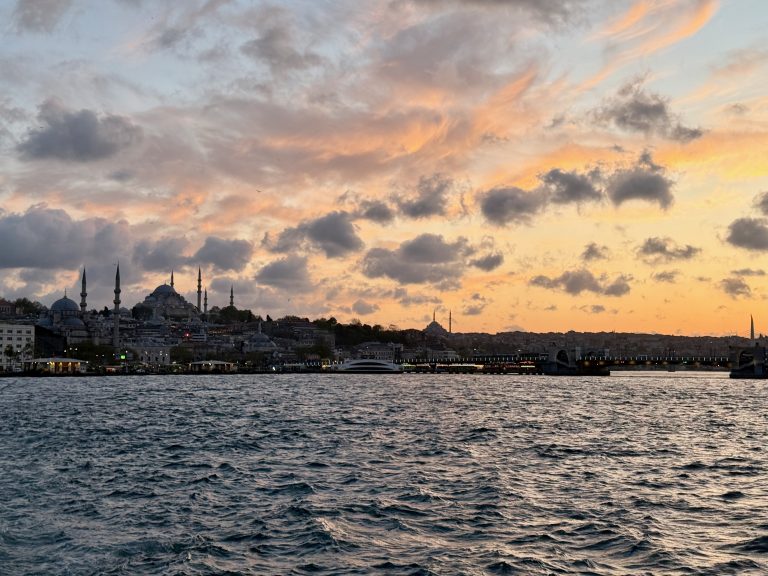
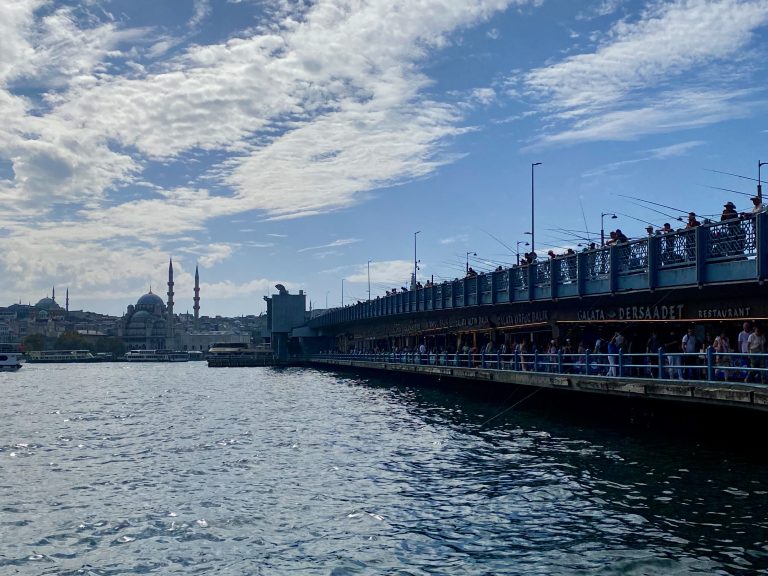
Istanbul welcomes thousands of visitors each day and has been a tapestry of cultures since the days of the Silk Road. The turquoise waters of the Bosphorus connect East and West. It is a city well-equipped to welcome visitors of all backgrounds.
Still, I often get asked by friends and acquaintances: “Is Istanbul safe for female travelers?”
Below is a guide filled with safety tips and recommendations for female travelers looking to explore the grand city.
Is Istanbul Safe for Solo Female Travelers?
Yes, Istanbul is a safe and great city to visit. Turkish people are usually incredibly helpful, and Istanbulites particularly like to share their culture with visitors because they are overall proud of their city and history.
That being said, there are a few considerations to keep in mind when traveling to Istanbul. The city has a very interesting cultural landscape. It is both hospitable and welcoming, yet diverse in its social fabric. While many Istanbulites are primarily secular, a significant part of the population is more conservative and religious. For this reason, it’s important to be aware of your surroundings and the neighborhoods you find yourself in.
Of course, like any large city, it is recommended to observe normal precautions while exploring.
Safety Tips for Women Traveling to Istanbul
Understanding a little about the culture can provide incredible comfort, especially when traveling as a woman or solo. Below are a few simple safety considerations for your trip to Istanbul.
Be Aware of Neighborhood Differences:
If you have some time to do a little research beforehand, you’ll discover that certain neighborhoods are more conservative than others.
This essentially means that they require more conservative dress, while others have a more bohemian and modern atmosphere where you’ll feel more at ease dressing as you would in any European city. (Link to section below)
Stick to Active Hours:
A good practice while exploring Istanbul is to visit neighborhoods during the most active hours of the day. Rather than venturing out super early in the morning or very late at night, aim for that sweet spot when the city is fully awake and bustling with activity.
Throughout the day and into the evening are generally the best times to explore and experience the city safely.
Travel in Populated Areas:
One advantage of exploring Istanbul is that it’s a very large city with a high population density. You’re unlikely to find yourself alone in most areas. As long as you’re out during the day, you’ll find that nearly everywhere you go will have quite a few people around, which always adds to the sense of safety and security.
Safe Areas vs Areas to Avoid in Istanbul
Not all areas of Istanbul share the same atmosphere, especially when it comes to cultural norms and safety considerations. Understanding the differences will help you navigate the city more confidently and plan your itinerary more effectively.
More Liberal and Modern Neighborhoods:
Several neighborhoods in Istanbul have a more cosmopolitan and modern feel, where you’ll find the atmosphere similar to other major European cities:
- Galata
- Karaköy
- Cihangir & Çukurcuma
- Nişantaşı
- Kadıköy & Moda
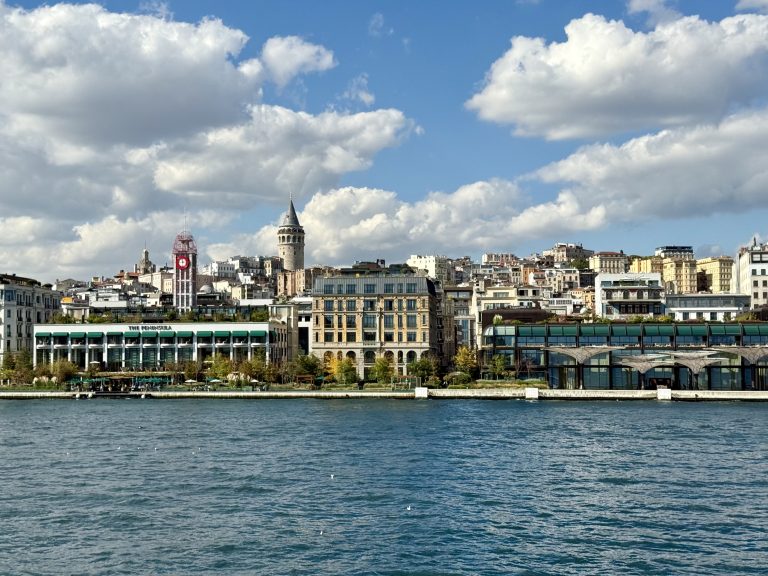
Galata and Karaköy are adorned by the iconic Galata Tower and known for their beautiful neoclassical and Art Nouveau architecture. These areas have a European feel, adorned by cobbled streets and cafes offering outdoor seating.
Cihangir and Çukurcuma have long been associated with artists, writers, and ex-pats,s giving the area a bohemian feel. Replete with coffee shops, bars, and fascinating antique shops, Cihangir is considered one of the hippest neighborhoods in Istanbul.
Nişantaşı is a residential neighborhood known for its upscale shopping district with luxury brands, boutiques, and upscale restaurants, bars, and cafes.
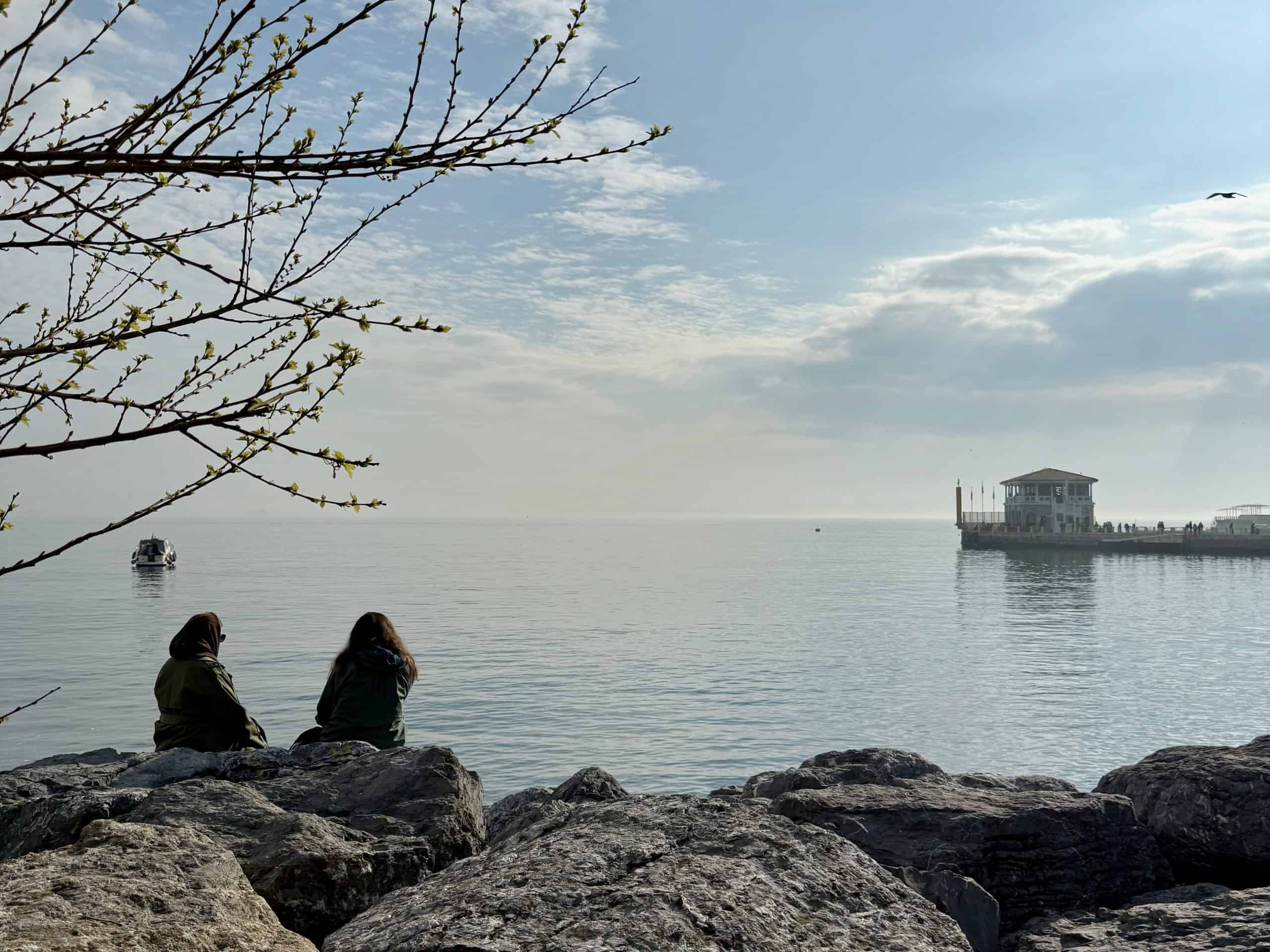
Kadıköy, located on the Asian side of the city, is one of the trendiest areas of Istanbul. It houses a variety of charming cafes, meyhane-style restaurants, outdoor bars, and seaside walking routes.
The Asian or Anatolian part of Istanbul reserves a more local feel when compared to the European side, which tends to be more touristic, offering a good opportunity for a more immersive experience of Turkish culture.
More Conservative Neighborhoods:
Certain areas of Istanbul maintain a more traditional and conservative character:
- Üsküdar
- Balat & Fener (Fatih District)
- Sultanahmet & Eminönü (also known as the historical peninsula)
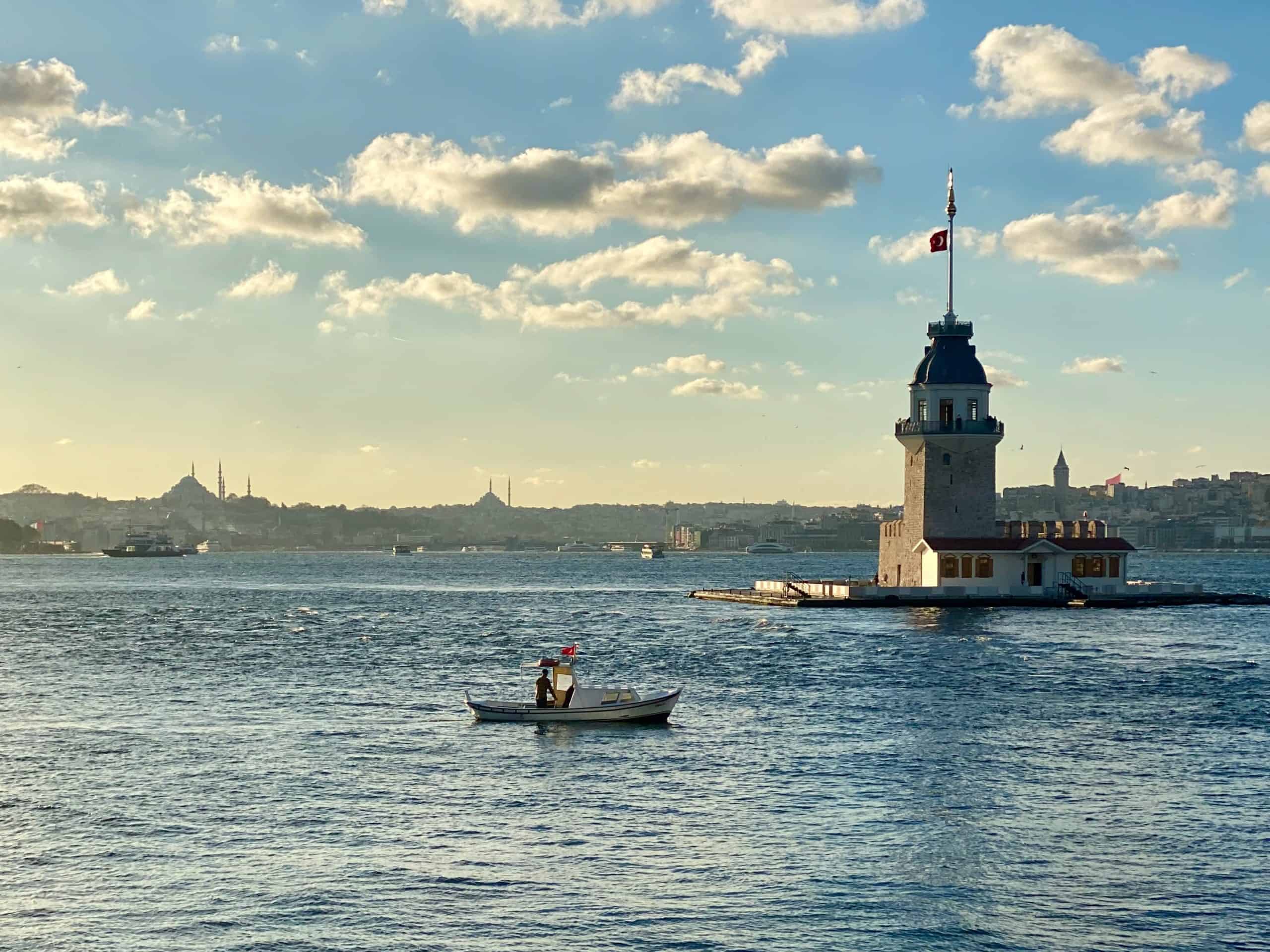
Üsküdar is a more conservative, family-oriented area. Being on the Asian side, it is quite tranquil. On weekends, families make their way to sit at the beautiful cafes in Kuzguncuk and to see the Maiden’s Tower.
Üsküdar is a charming and peaceful neighborhood, but it is recommended to dress modestly to avoid uncomfortable looks or attracting attention.
Similarly, in the historical peninsula, neighborhoods like the Fener and Balat in the Fatih district are beautiful and picturesque but very conservative. When visiting these areas, it is important to dress appropriately and avoid being overly revealing.
Despite their conservative nature, these neighborhoods are worth visiting. Taking the appropriate safety tips into consideration, these areas are perfectly safe for a solo visit.
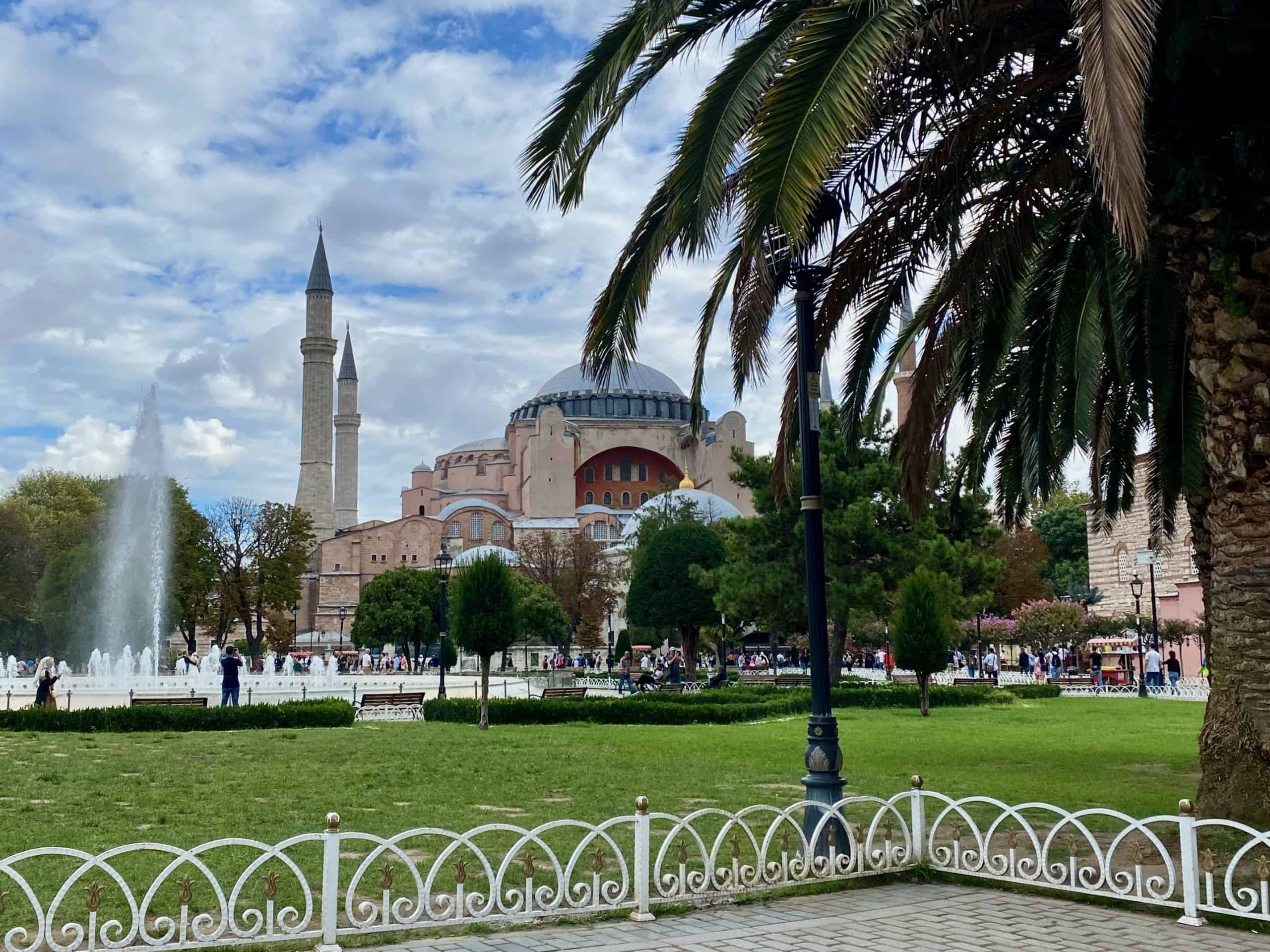
While districts like Eminönü in the historical peninsula welcome many tourists to key sites like the Grand Bazaar, the area becomes more conservative as you move away from the main sites. The historical peninsula houses the most famous mosques, like the Hagia Sophia or the Blue Mosque, so it is best to dress modestly if you are planning to visit.
It is also worth noting that these areas tend to be more desolate during the quiet hours of early morning and late evening.
Areas to Avoid or Exercise Extra Caution:
There are a few areas that are best avoided late at night or altogether. Tarlabası, for example, is one such neighborhood. Taksim, while generally safe during the day, can get rowdy very late at night and may have some sketchy activity, so it’s better to avoid it during those hours.
Where to Stay in Istanbul as a Woman Traveler?
Istanbul has many charming neighborhoods, and, being an enormous city, it can be daunting to choose the best area. However, several neighborhoods are particularly well-suited for female travelers.
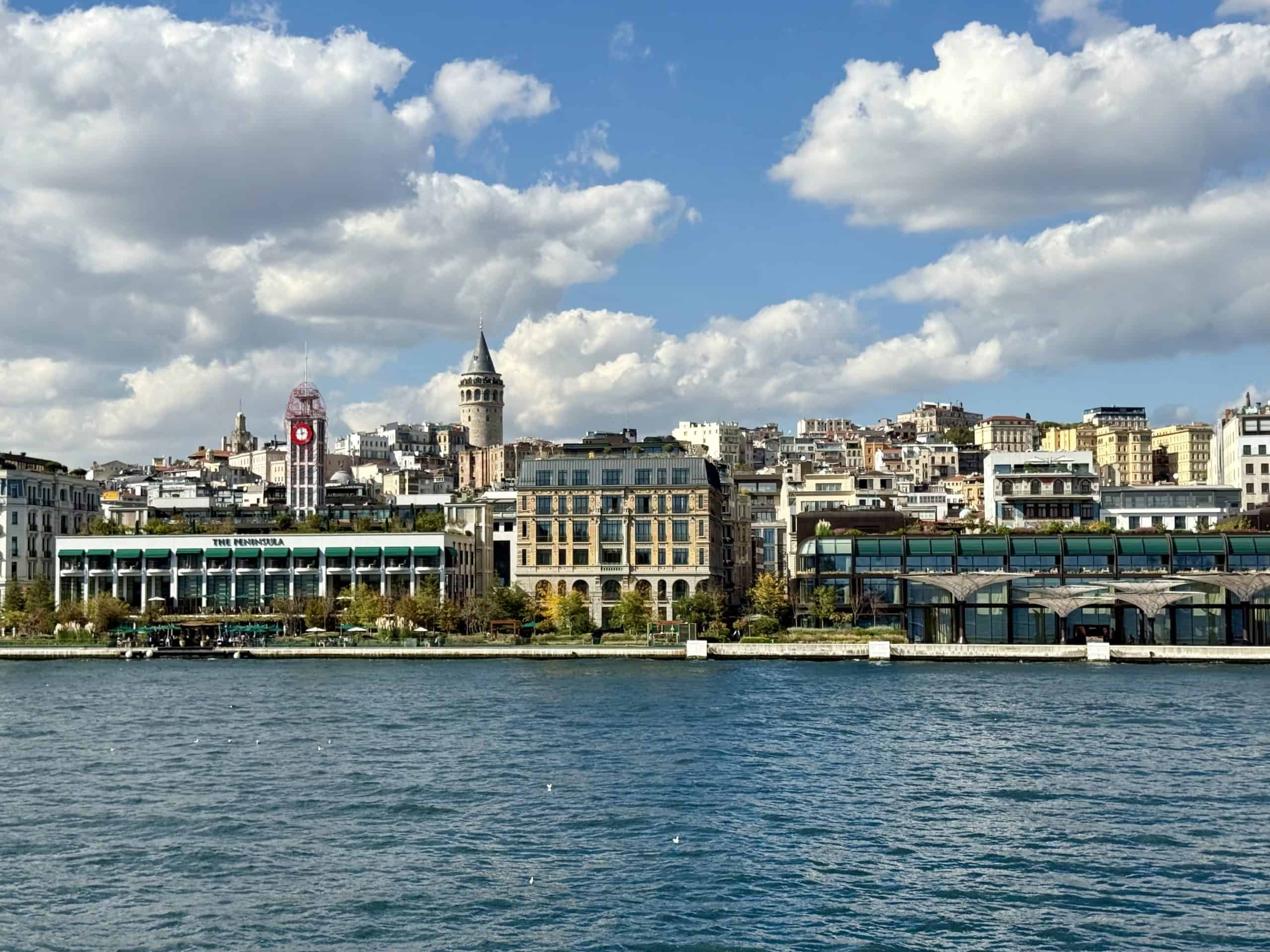
I have also written a full guide on where to stay in Istanbul that describes each neighborhood and provides accomodation recommendations.
Best Areas for Solo Female Travelers:
On the European side, Galata, Karaköy, Cihangir, Çukurcuma, and Nişantaşı are all excellent options for solo female travelers. As mentioned earlier, these areas are lively and maintain a European feel. The atmosphere tends to be more secular than conservative.
The Beyoğlu area (Galataport, Karaköy, Cihangir, Çukurcuma) is even considered more bohemian. There are many expats in the area and a few universities, making it popular amongst students. The area houses historically significant hotels as well as charming boutique hotels and is close to the historical peninsula, making it popular amongst tourists.
On the Asian side, Kadıköy and Moda are the best options for female travelers. Especially if you’re looking to get a glimpse of life as a local in a fun and dynamic neighborhood, Kadıköy is ideal.
Despite being on the Asian side, it’s only a 20-minute ferry ride to the historical peninsula, and the ferry itself is an experience worth having!
Areas to Consider Carefully:
While Sultanahmet and Eminönü house many of Istanbul’s most iconic sites, they are located in the historical peninsula, and although touristic tends to be more conservative. These areas also tend to be crowded even in the low season.
They can be a good choice if you prefer to be near the top sites during a short visit. Consider dressing more conservatively and exploring during active day hours rather than the desolate hours of the morning or night.
Üsküdar, Fener, and Balat are beautiful neighborhoods, but they are much more conservative. Consider staying elsewhere while still visiting these neighborhoods during your trip.
Getting Around Istanbul Safely
Istanbul offers multiple transportation options. Depending on the time of day or activity, some may be safer and more convenient for female travelers.
Public Transportation:
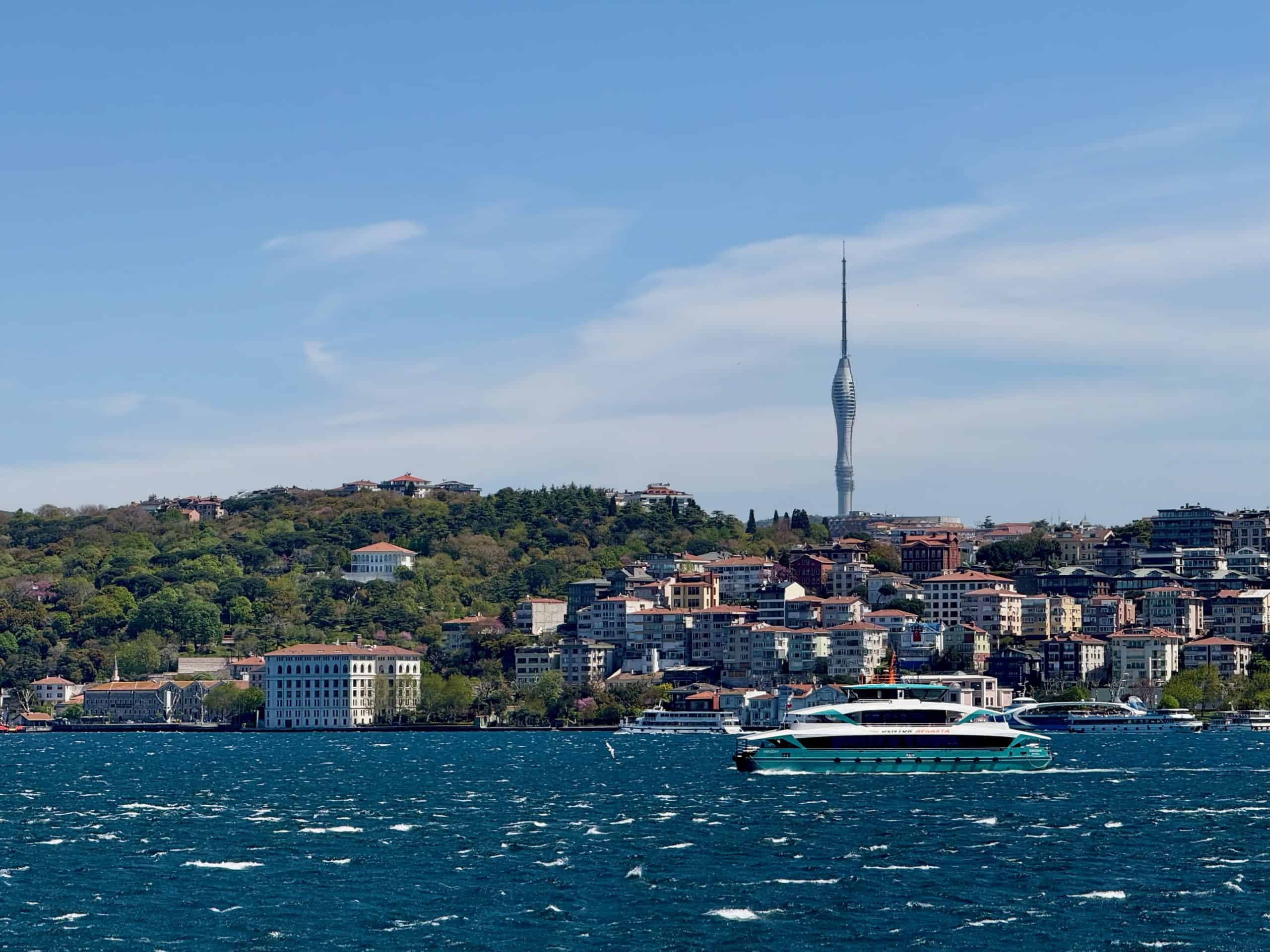
Public transportation in Istanbul is clean, reliable, and safe. The metro is very safe, and the ferry rides are not only safe but also offer panoramic views, making them one of the best ways to experience the city.
Insider Tip: One of the best activities during a visit to Istanbul is to ride the ferry from the European side to the Asian side or vice versa. Ferries depart from Eminönü or Karaköy every 20 minutes, providing a safe, scenic, and quintessentially Istanbul way to travel between continents. The ferry experience itself becomes part of your journey, offering beautiful views of the city from the water.
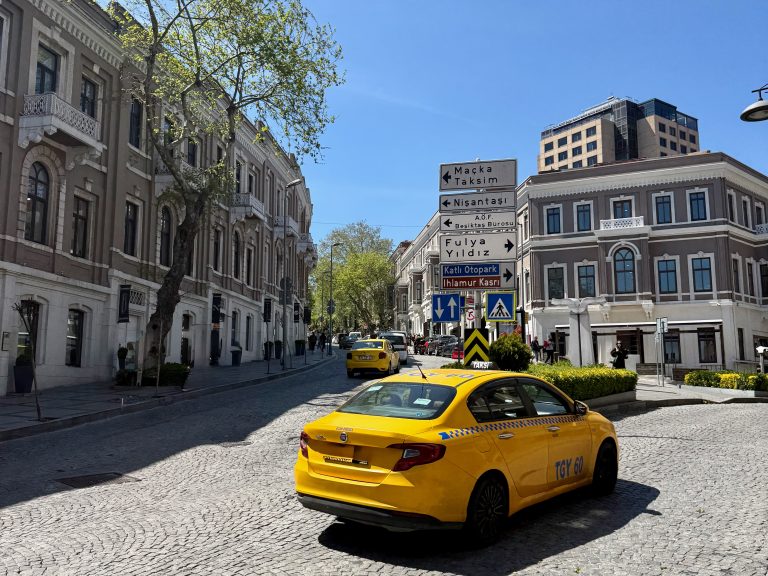
Istanbul is a huge city prone to heavy traffic. While touring the city, it’s usually best to take public transportation over taxi services. The exception is when needing transportation late at night, where a taxi or ride-sharing app might be more practical and, more importantly, much safer.
The options range from modern metros and trams to scenic ferry rides, giving you plenty of safe and enjoyable ways to navigate this vast city.
I have also had a few friends comment that they felt safer in Istanbul’s public transport than in major European cities like Paris.
Taxi Services & Ride-Sharing Apps:
Taxis in Istanbul are generally safe, though there are a few common scams to watch out for, listed below. While Uber in Istanbul does not work as it does in other markets, locals use BiTaksi or iTaksi to take advantage of the safety benefits, like ride tracking.
Common taxi scams to be aware of include:
- Claims of a broken meter (taxis are not allowed to operate without a working meter)
- Not starting or not resetting the meter
- Fixed rate offers, especially from airports (the meter rate is almost always better)
- Night rate claims (there are no night rates as of 2025)
- Inflated bridge and tunnel surcharge fees (tolls are legitimate but should be: 47₺ for the 1st and 2nd Bosphorus bridges, 80₺ for the 3rd bridge, and 225₺ for the Eurasian Tunnel)
- “No change” situations
When hailing a taxi off the street, always ask the driver to start and use the meter to avoid any surprises. When you pay for your ride, it is normal to round up the value to leave the driver a small tip.
Uber in Istanbul is unfortunately not considered reliable. Since Uber works in partnership with taxi drivers rather than independent drivers, they will often decline rides from the app in favor of more profitable street pickups.
Locals often suggest using BiTaksi or iTaksi instead. These apps offer similar benefits to Uber, including price estimates, ride tracking, driver ratings, and estimated arrival times, but are better suited for the Turkish market and have significantly better reliability.
I personally use BiTaksi and have found it to be safe and reliable, and I have created a blog post dedicated to transportation in Istanbul with further details to help you navigate Istanbul.
Walking in Istanbul:
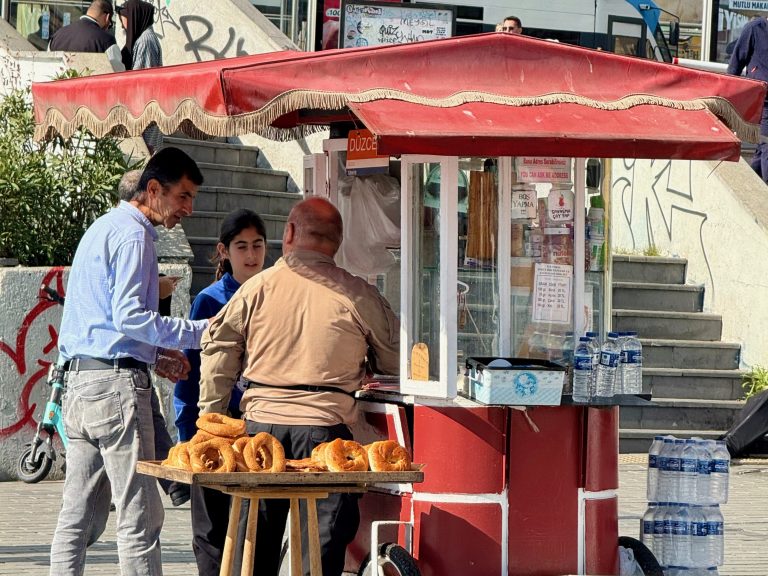
Istanbul is a great city to explore on foot, and it’s generally safe for women to walk around. Part of Istanbul’s charm lies in the moments spent wandering its colorful streets and cobbled pathways.
Like in any other city, be mindful of your surroundings. Be mindful of any desolate areas, do not wander into dark alleys, and listen to your gut. Istanbul is a bustling city, so you will rarely find yourself alone. If you find that there are no people around, it may be a good sign to make your way back to the more populated area of the city.
Istanbul is also known as the “City of Seven Hills,” so it’s best to wear comfortable footwear while exploring!
Additional FAQ’s
What Should I Wear in Istanbul?
It is recommended to dress a little more conservatively and modestly. The main reason is that you’ll likely want to visit some of those beautiful mosques, and they require you to cover your head, shoulders, and knees before entering.
A practical tip is to carry a pashmina or scarf with you on your trip so you have it ready whenever you want to enter a mosque.
There won’t be serious consequences if you don’t dress modestly throughout the city, but you might receive some uncomfortable looks. This usually happens only in more conservative neighborhoods.
In general, dressing a little more modestly allows you to explore any areas of the city comfortably and without concern. Similar to the dress codes you might encounter when visiting churches in Italy, for example, so nothing is necessarily out of the ordinary.
Do People Speak English in Istanbul?
Some people in Istanbul speak English, but many don’t, so it’s best not to count on it.
As a female or solo traveler, it’s highly recommended to have internet access while exploring the city. It’s also essential for accessing maps so you always know where you are and how to get back to your hotel.
There are very affordable eSIMs available now that will give you reliable internet access throughout your trip. I use Airalo, which offers eSIMs starting at $4.
Having internet access will be helpful when you’re asking questions, using translation apps, or negotiating prices, which is part of the experience in Istanbul at places like the Grand Bazaar.
Is It Safe to Go Out Alone at Night?
Generally, in the late evening, it’s safe because you’ll find many people still out at coffee shops, finishing dinner, or taking an evening stroll.
Especially in spring through early autumn, the city tends to come alive in the evenings, and there’s usually a good amount of activity in the most popular neighborhoods. However, if you’re not familiar with a neighborhood or the city in general, it’s best practice not to go out super late at night.
Again, neighborhoods like Üsküdar, Fener, and Balat will be slightly more desolate late in the evening.
Best Time to Visit Istanbul
The best time to visit Istanbul is during springtime or early autumn. Typically, the ideal months are between April and early June, or from September to early November.
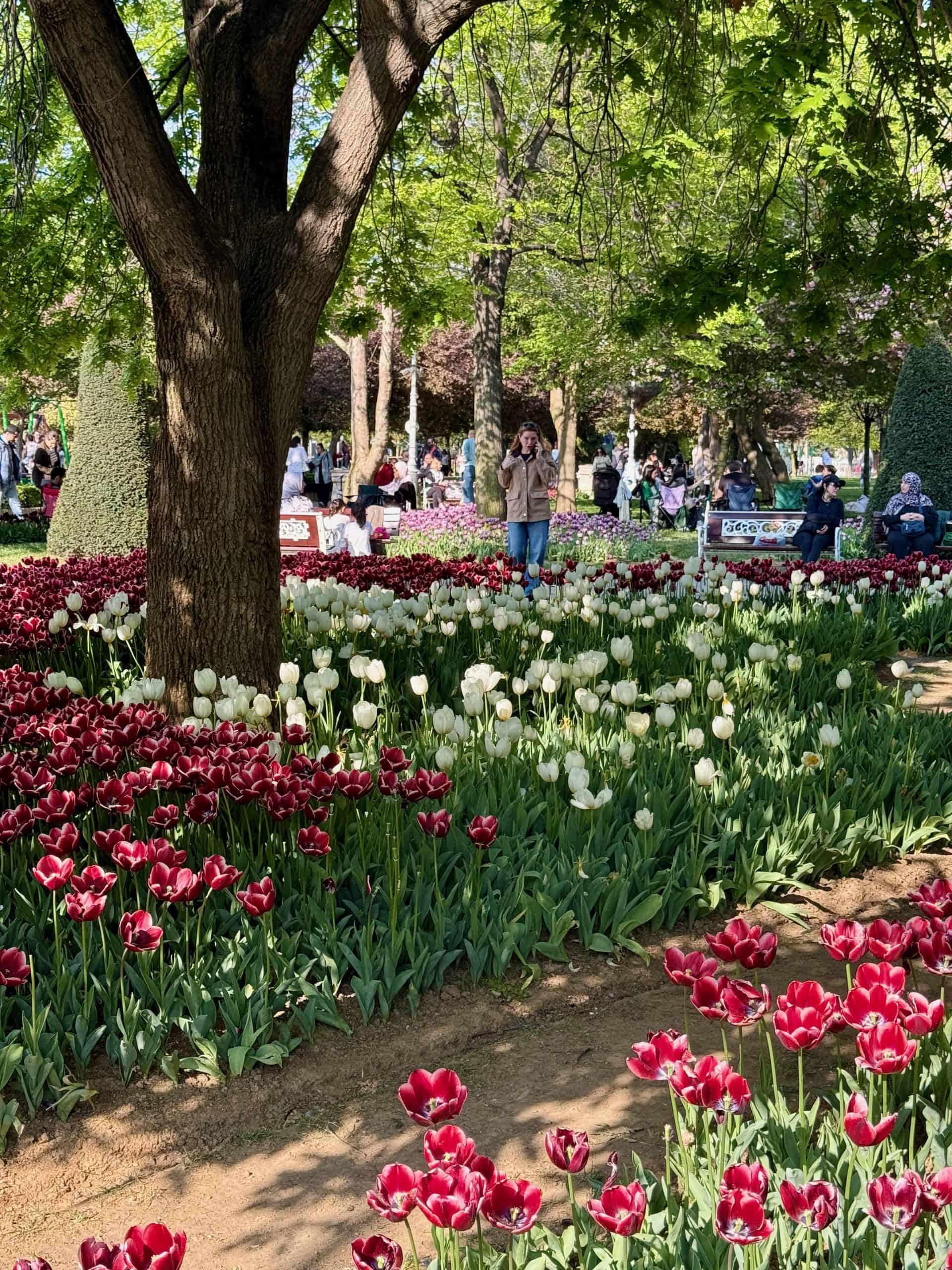
April welcomes spring with tulips blooming throughout the city, creating a beautiful atmosphere. November tends to welcome fewer tourists, but still offers beautiful days, making it a great time for a quieter yet equally pleasant experience.
The summer months, particularly July and August, are still considered high season, but with the high temperatures, the experience can be less enjoyable and rather exhausting. During these months, it may be best to explore Turkey’s Aegean Coast instead.

How Many Days Do You Need in Istanbul?
It really depends on what you want to see and experience. You can see quite a bit in just three days. A long weekend is enough to cover the highlights of this magnificent city.
Of course, Istanbul is a huge city, so you could also fill up an itinerary if you wanted to stay for five days, a week, or even longer.
Ideally, spending 3 to 7 days in the city gives you plenty of time to see the grand landmarks while also wandering its neighborhoods. Usually, within a long weekend, you can cover quite a bit, but having a few more days allows you to explore more leisurely.
Here is an itinerary I created for spending three days in Istanbul.
Final Thoughts
Istanbul is a safe and welcoming city for women travelers. Whether you’re visiting as part of a family, with a group of friends, or as a solo female traveler, you can explore this magnificent city with curiosity.
The key to a safe and enjoyable experience lies in being aware of cultural differences, dressing appropriately for different neighborhoods, staying in well-connected areas, and using reliable transportation options.
The considerations are no different from those in any other major city around the world.
It is also worth remembering that Istanbul is a “she-city,” as described by the Turkish author Elif Shafak: “A strong, resilient, impressive, stubborn, and beautiful woman.”