Is Cappadocia Worth It? 13 Reasons to Visit in 2026

Yes, Cappadocia is worth it! It is a region in the Anatolian part of Turkey with breathtaking landscapes and a remarkable history lying beneath the surface.
Villages emerged from homes, cellars, and stables dug straight into the earth, and some of those dwellings are still used today as cave hotels. Early Christians carved monasteries and churches into the rock, filling them with frescoes hidden from the outside world, and entire underground cities were built to shelter communities from invading armies.
It is a place that has seen many civilizations come and go, and is today well worth the journey.
Is Cappadocia Worth It?
Absolutely! Cappadocia is one of those places that has earned its reputation as a bucket-list destination. The scenery is remarkable, the history is rich and layered, and the experience of being there, from the early morning balloons drifting over the valleys to the quiet charm of the cave hotels, is unlike anything else.
Two to three days is the sweet spot for most visitors and already covers the highlights comfortably. Whether you stay two days or extend to five, Cappadocia tends to leave a lasting impression on those who visit.
Cappadocia: The Land of Fairies
Locals proudly refer to it as the Land of the Fairies. Its bewitching landscapes have been unveiled by the slow, extraordinary work of nature over millions of years, and the famous fairy chimneys rising from the earth are something out of a dream.
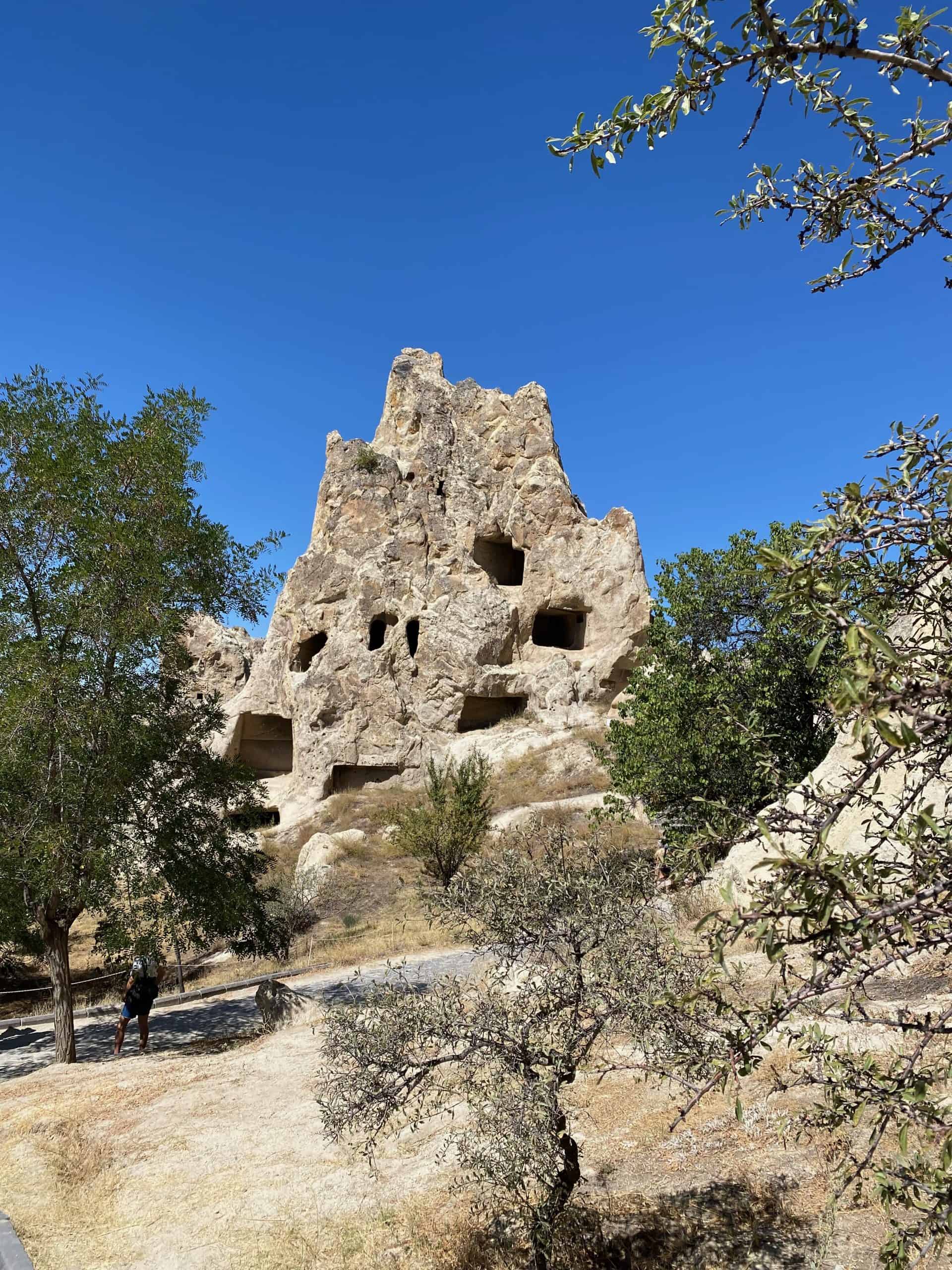
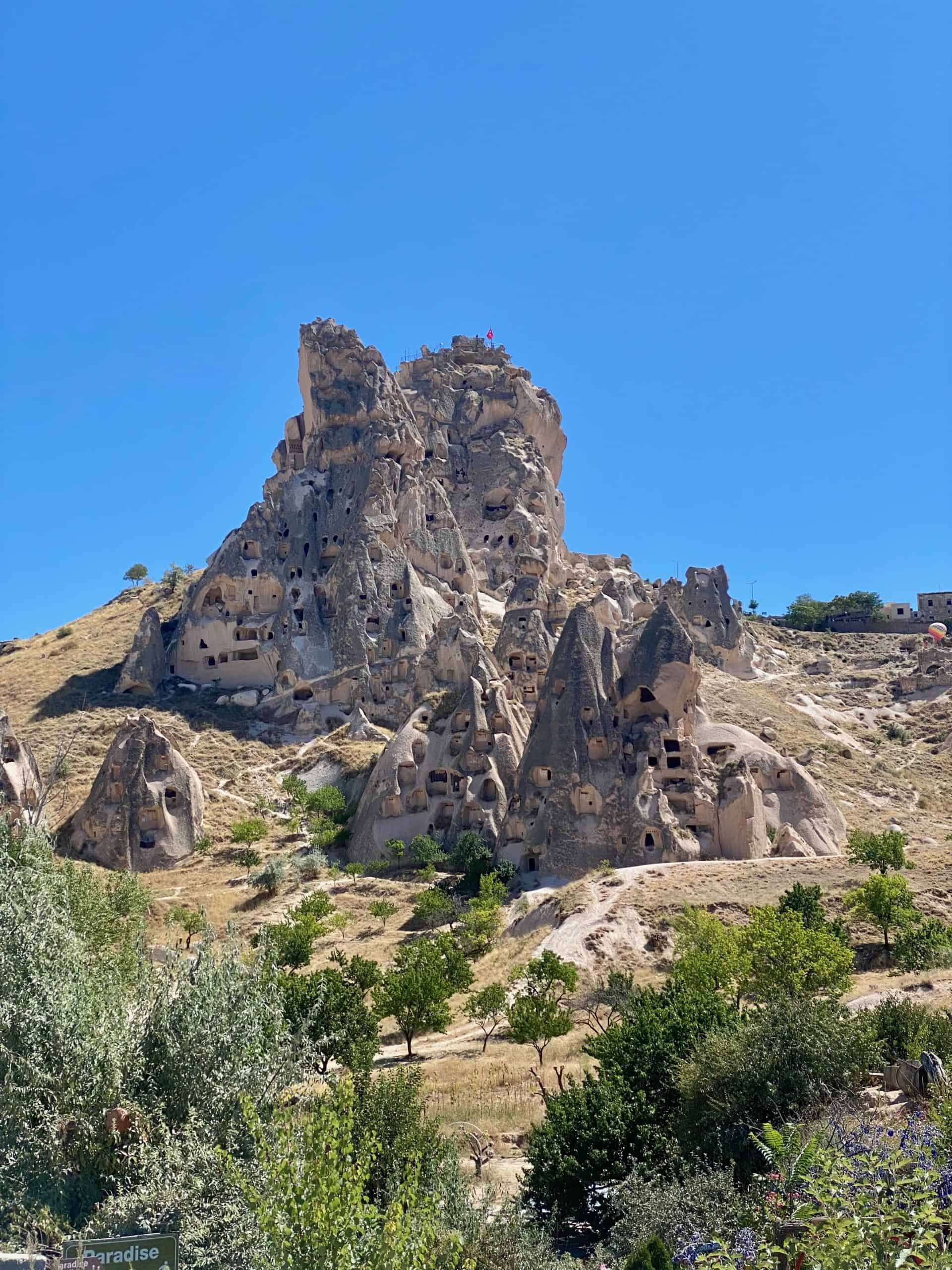
It is a place that has seen many civilizations come and go, a land of refuge for entire societies and a few ascetics. But more than what is written in history books, local folklore holds that the fairies living in the cone-shaped chimneys were the region’s protective forces.
13 Reasons Cappadocia Is Worth Visiting
A visit to Cappadocia is at its best when it combines a little of everything: the breathtaking natural scenery, the history embedded in the rocks, the warmth of local culture and crafts, and the food and wine that this region has quietly been producing for centuries.
The reasons below are drawn from two visits to the region and cover everything from the unmissable to the underrated. Most of Cappadocia’s highlights are outdoors, which is another reason to time your visit for spring or autumn, when the weather is most cooperative.
1. Hot Air Balloon Ride with the Sunrise
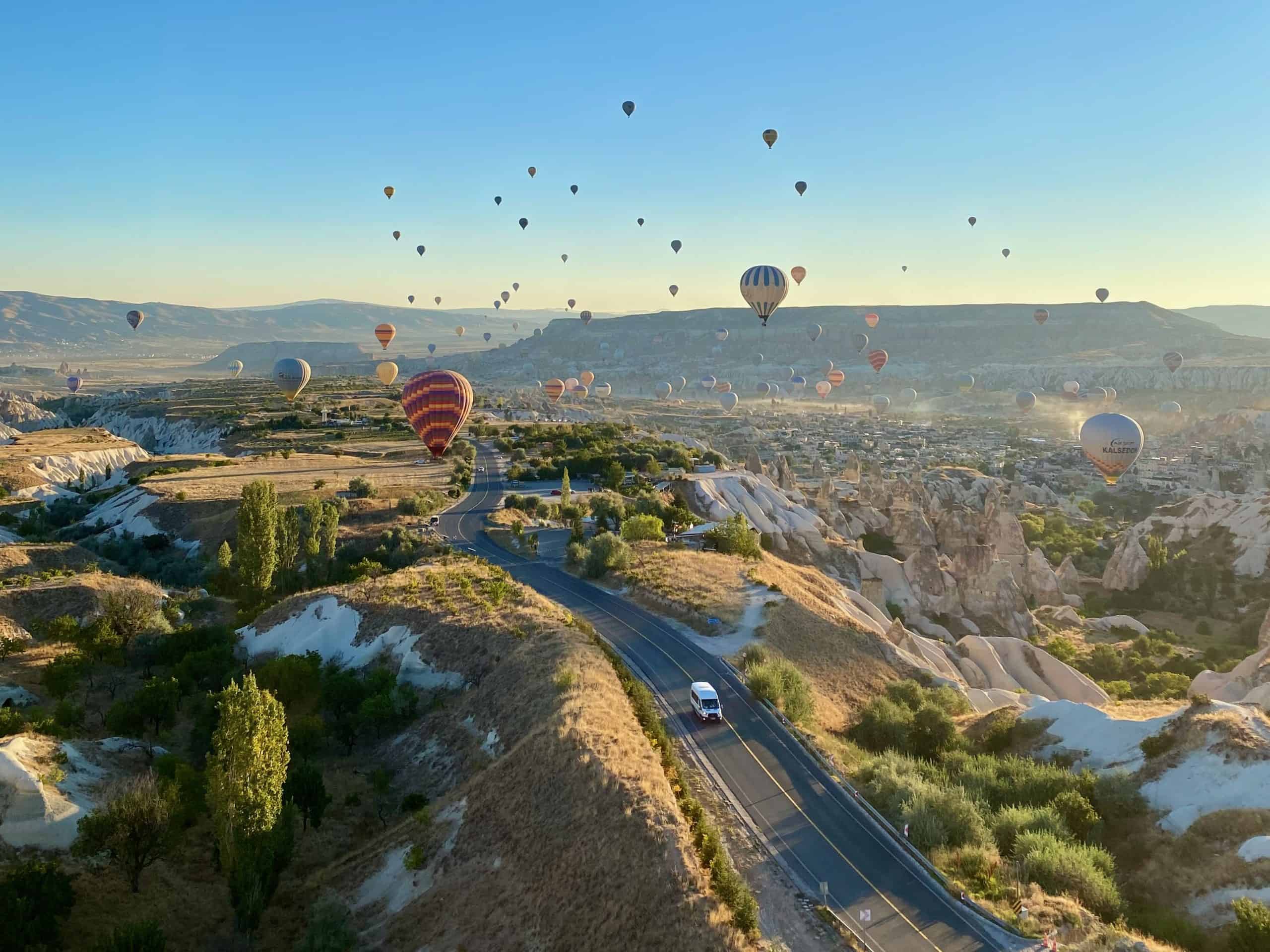
The hot air balloon ride is the most iconic Cappadocia experience, and it lives up to the reputation. You rise into the sky over the valleys as the sun comes up, and from above, the fairy chimneys, rock formations, and the vast landscape can be appreciated from an entirely different perspective. It is an experience that will remain in your memories.
Pickups are typically around 4 a.m., and you will be back at your hotel by breakfast time, which means it does not take away from the rest of your day.
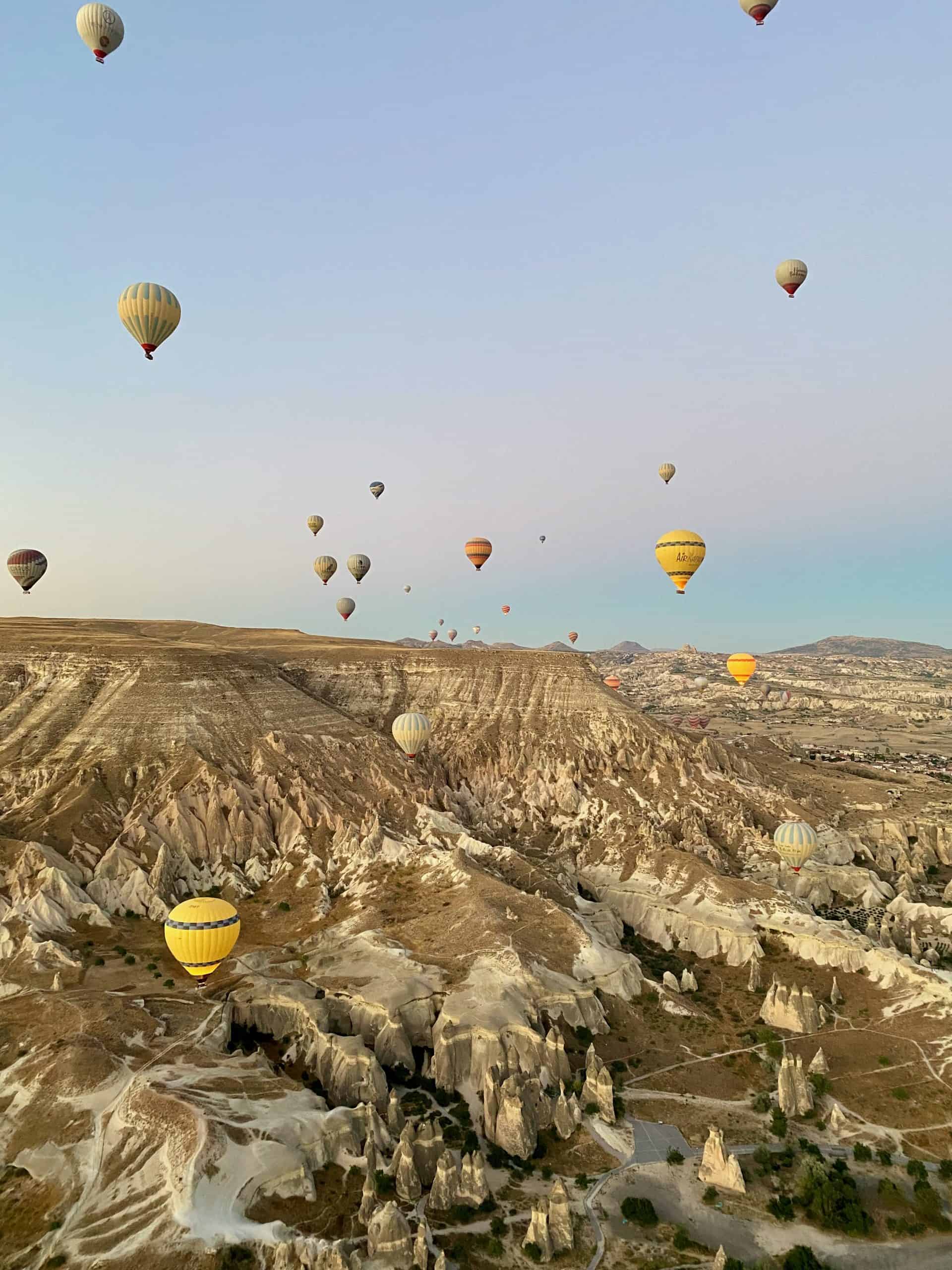
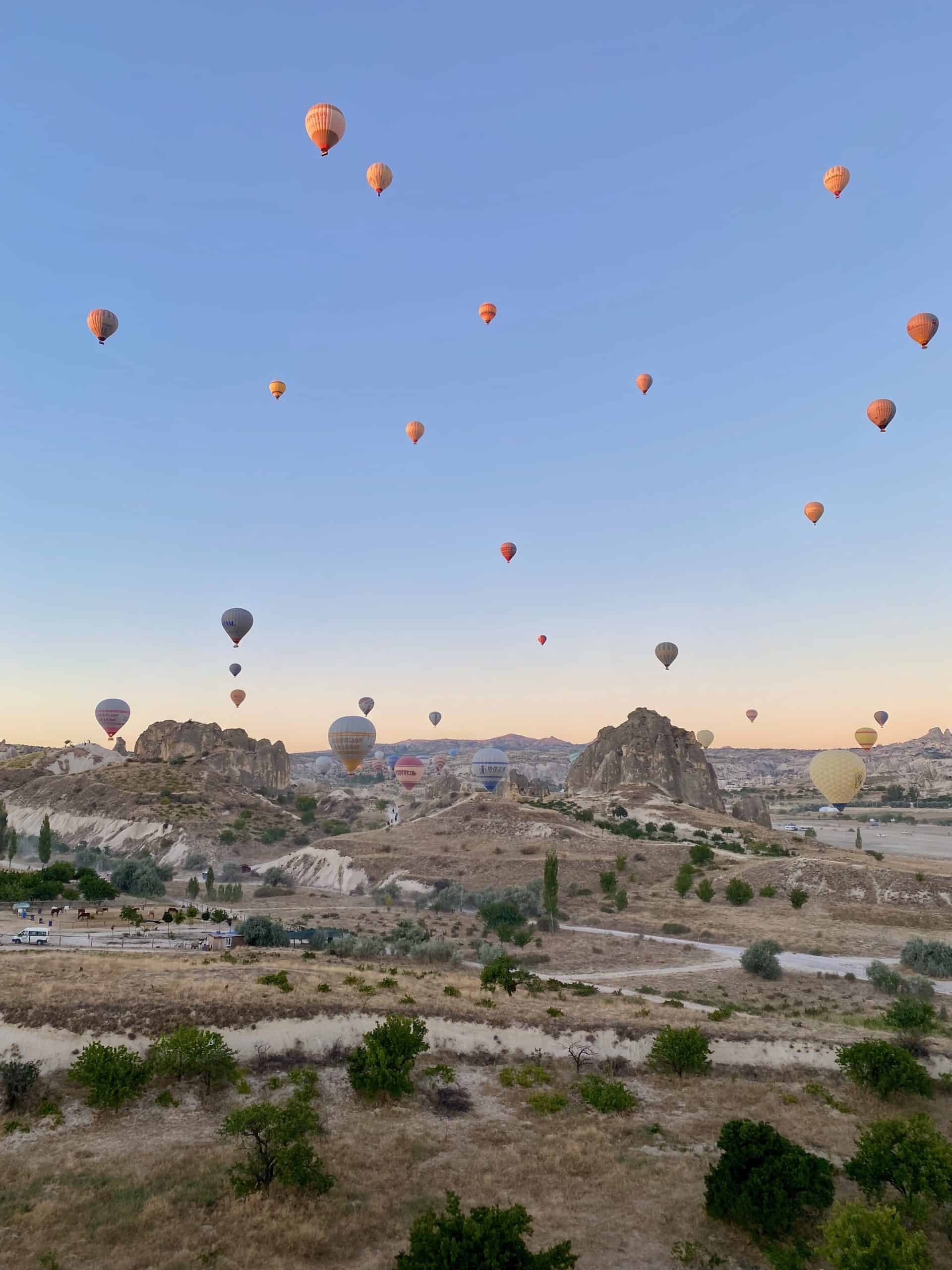
Book it for the first available morning of your trip so that if a flight gets canceled due to weather, you have a buffer day to rebook. The balloon companies check weather conditions the evening before and send out notifications. If a cancellation is needed, they will do their best to reschedule you for the following day.
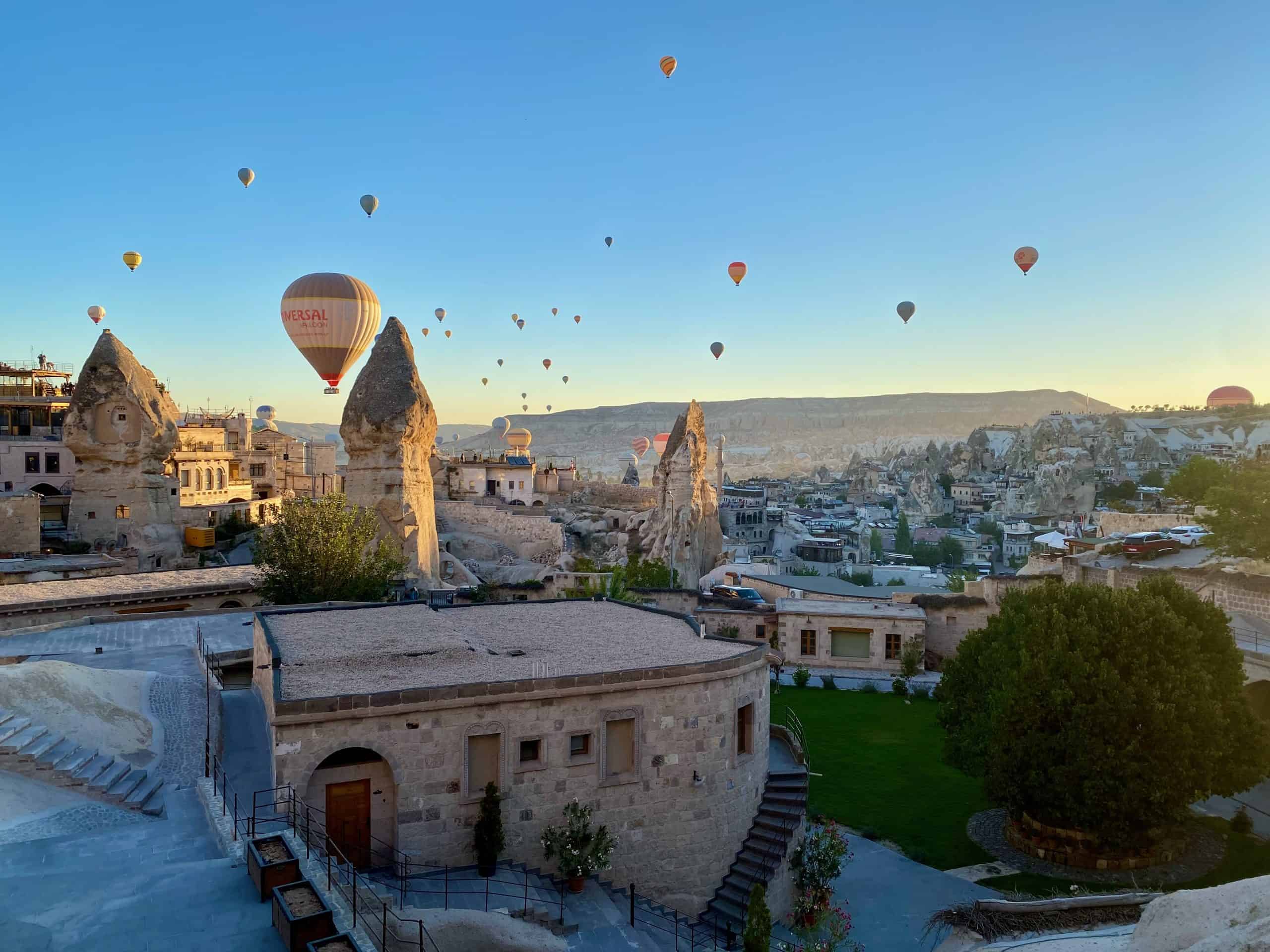
Even if you do not ride the balloon, it is worth waking up before sunrise to watch them rise from your hotel terrace. The sight of hundreds of balloons lifting into the air over the valleys is enchanting in its own right. On a second visit to Cappadocia, simply waking up early and watching from the hotel was equally magical in its own way.
Tips for Booking Your Balloon:
Book as early as possible, ideally a month ahead of arrival, as availability fills up quickly in peak season.
Recommended company: Butterfly Balloons, which offers baskets for as few as 8 or 16 passengers rather than the more standard 20-passenger baskets, making for a more personal experience. The price is typically about 300 euros per passenger.
2. Fairy Chimneys and Expansive Landscapes
Before anything else, there is the landscape. The fairy chimneys of Cappadocia are tall volcanic rock formations shaped over millions of years, and they are extraordinary to see in person. They rise from the earth in clusters across the valleys, and the moment you catch your first glimpse of them rising out of the valley, the feeling is surreal.
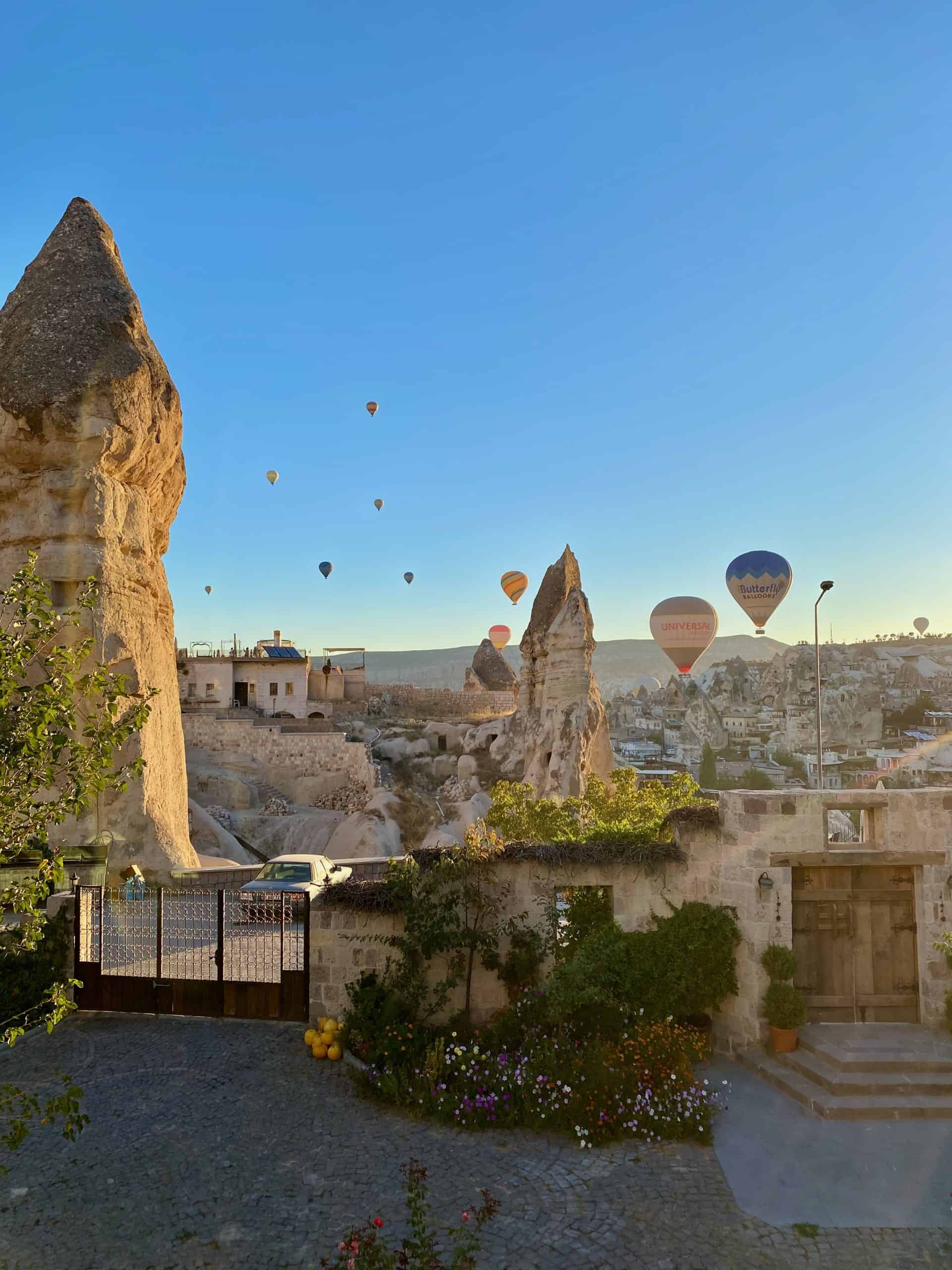
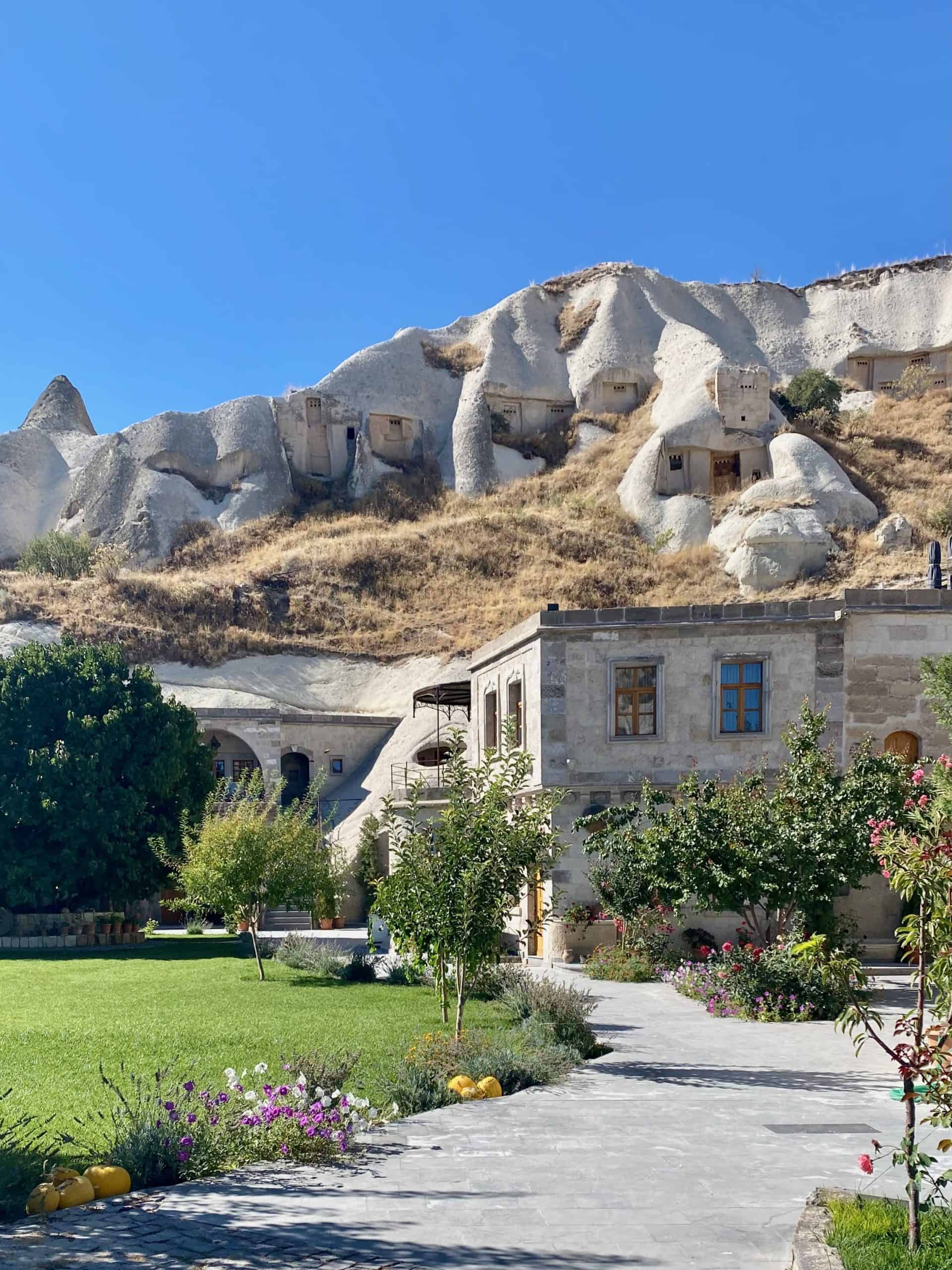
Cappadocia has a way of leaving a lasting impression on visitors through its captivating landscapes. No photograph quite prepares you for the scale and strangeness of the fairy chimneys up close, nor for how far the landscape stretches in every direction.
Then there is the local folklore that suggests you might run into a fairy while exploring the vast area.
3. Hiking Through the Valleys
Cappadocia has a great deal to offer outdoors, and most of it is best experienced on foot. The valleys that cut through the region each have their own character and history. Walking through them is one of the quieter pleasures the region has to offer.
Most of the main valley hikes are accessible from Göreme, and the organized tours will cover some of the more remote ones with transport included.
Rose Valley and Red Valley
The Rose Valley and Red Valley hike is one of the most beautiful ways to spend an afternoon in Cappadocia, timed to reach a viewpoint around sunset.
If you are staying in Göreme, the valleys are a little way out, so you will need a taxi to the starting point. Remember to arrange a return with the same driver, since it will be dark by the time sunset passes. Most hotels in the region will provide a map, as the signage through the trails is not always straightforward.
Love Valley
Love Valley is near Göreme and the Open Air Museum, so it is worth considering exploring both. The valley is known for its distinctive, tall, rounded fairy chimneys and is named after a local folktale.
The story tells of two soldiers from feuding villages who fell in love when they met, but their child was murdered by those who could accept neither their love nor peace, and giant rocks descended from the skies as punishment. The story warns locals against separating young love.
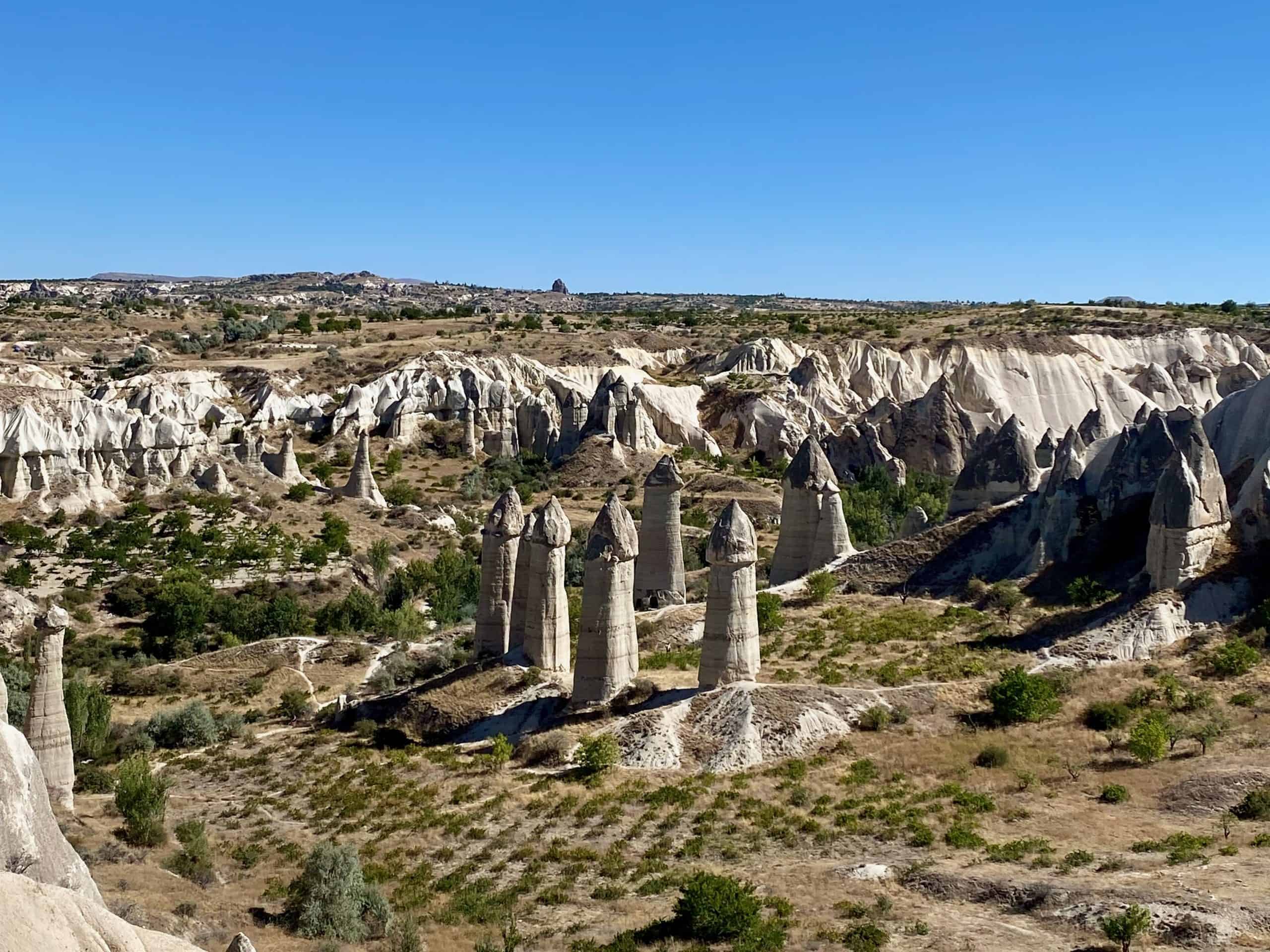
Love Valley is also connected to the Rose and Red Valleys, making it easy to hike all three in a single outing.
🔴 Included in the Red Tour!
Pigeon Valley
Pigeon Valley is typically included in the Green Tour as a panoramic stop, offering sweeping views of carved houses, fairy chimneys, and smaller carved dwellings once inhabited by pigeons.
In the past, the farmers of the area would provide the pigeons with dwellings in exchange for using their excrement as fertilizer, a practical arrangement that shaped the valley’s distinctive character.
4. Underground Cities
The underground cities are, without question, one of the most extraordinary things you will encounter in Cappadocia.
A vast network of passageways was built deep beneath the earth’s surface to protect communities from invading armies. When threats came, entire populations would descend underground and seal themselves in, sometimes for weeks, sometimes for several months.
What makes these cities so remarkable is their scale. They go many levels deep and were optimized to sustain life for extended periods, with rooms for living, sleeping, storage, keeping livestock, and even for worship. Derinkuyu is the largest and is believed to have held up to 20,000 inhabitants. Walking through the tunnels and chambers gives a glimpse of the ingenuity and the struggle for survival these communities faced.
The underground cities are accessible on the Green Tour, which includes a guide. Having a guide here is worthwhile because the site’s history is rich, and the tunnels are easy to get disoriented in without one.
A Note on Claustrophobia:
This experience can be overwhelming for those with claustrophobia. The space can feel rather constricted, with low ceilings, as you navigate the narrow tunnels connecting the rooms.
5. Rock-Cut Churches and Monasteries
Early Christian communities settled in Cappadocia and carved monasteries and churches into the rock, filling them with frescoes and places of worship hidden from the outside world. What they left behind is extraordinary, both a record of faith and craftsmanship that has survived the passage of centuries, carved into the living rock.
The two main sites to visit are the Göreme Open Air Museum and Selime Monastery, both accessible on organized tours and worth seeing in the same trip to understand the range of what these communities built.
Göreme Open Air Museum
The Göreme Open Air Museum holds a significant complex of rock-cut churches and monasteries carved by early Christian communities.
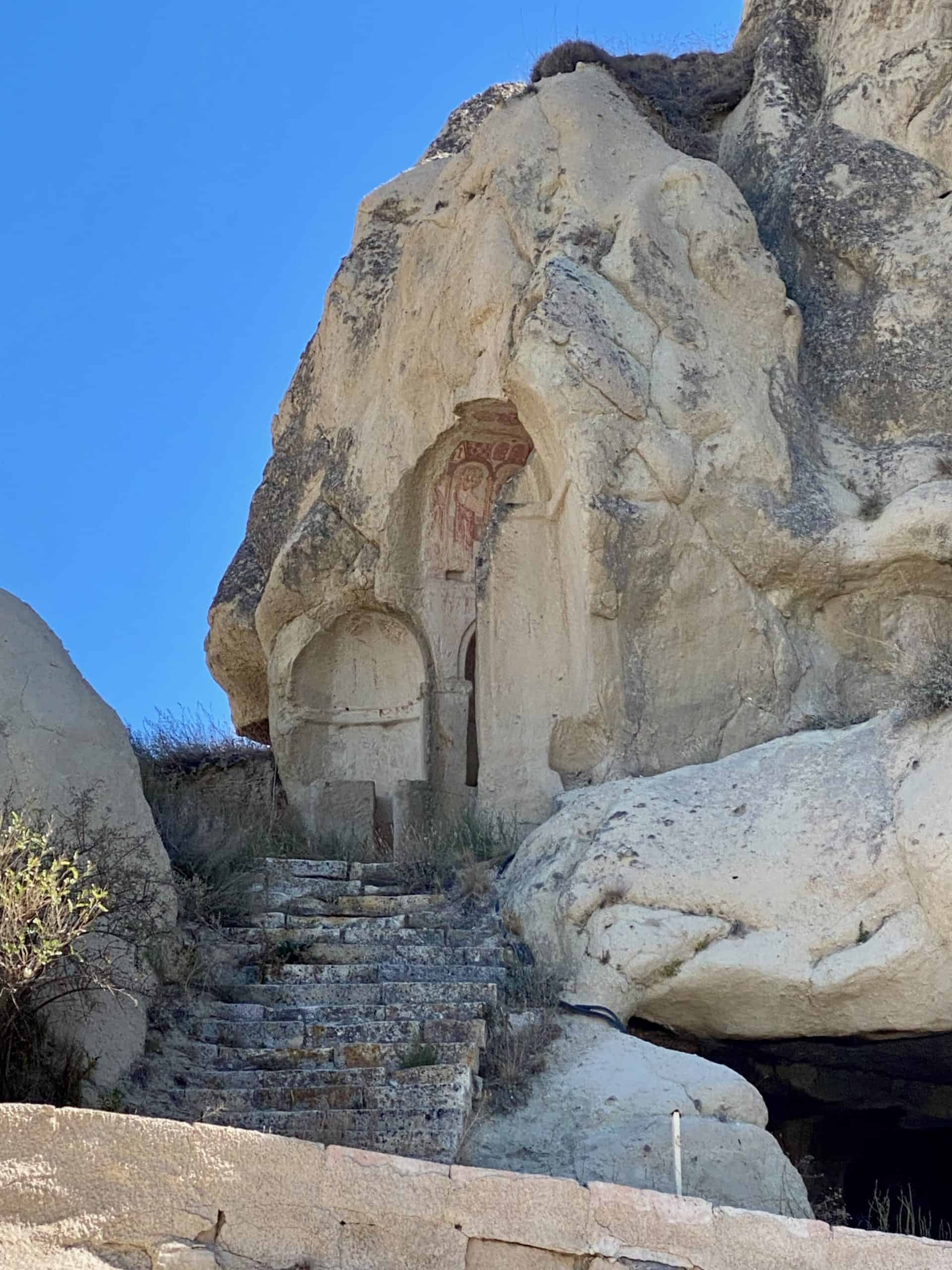
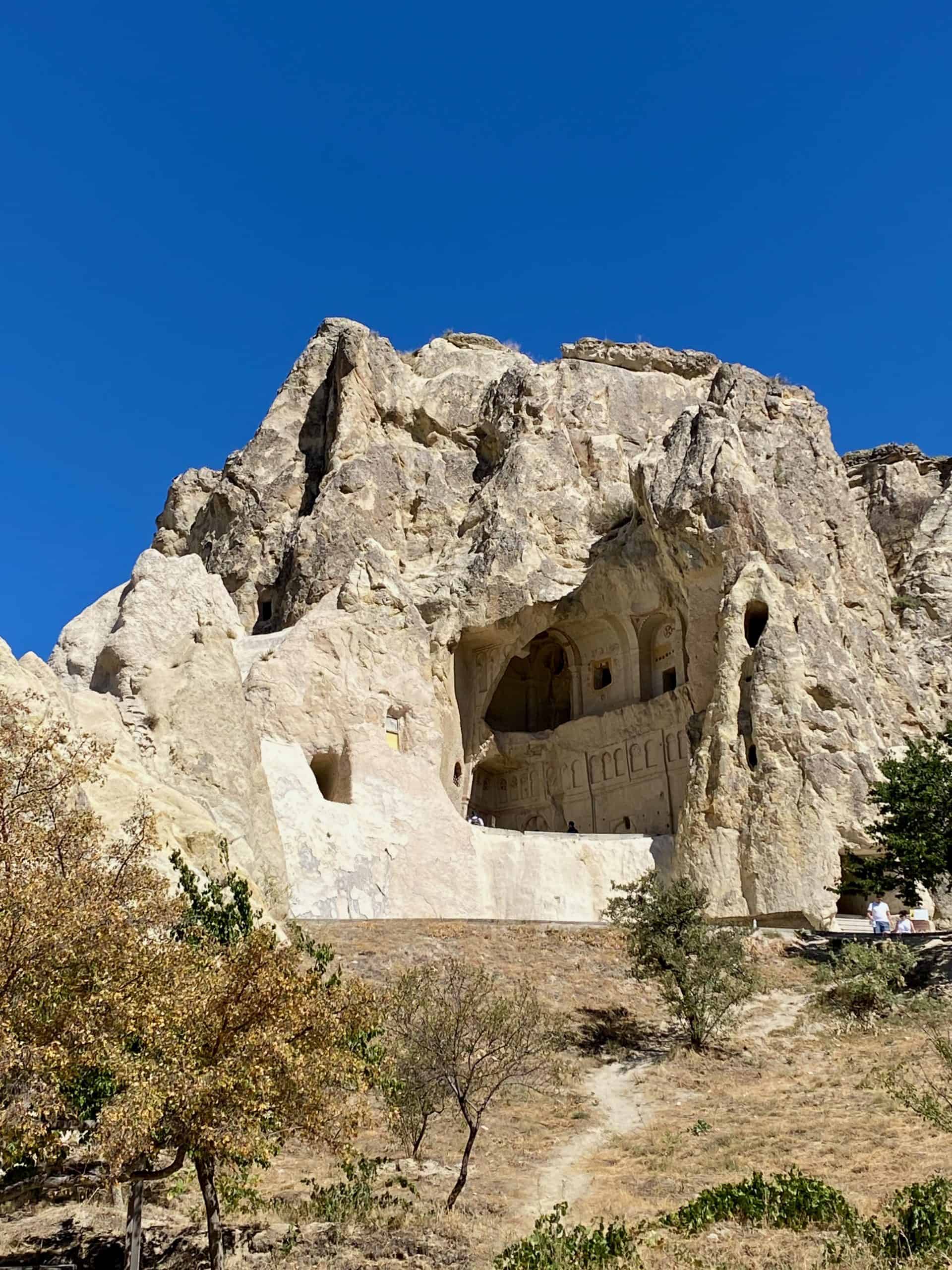
Inside many of the caves, you can see frescoes that have survived centuries. And these are the best-preserved paintings you will find in the Cappadocia region.
🔴 Included in the Red Tour!
Selime Monastery
Selime Monastery is a fortress-like structure carved into a cliff, used by many civilizations over the centuries. It is the largest rock-cut structure in the region and even houses a cathedral.
While many of the frescoes here are not as well preserved as those in Göreme’s Open Air Museum, the architecture and the sheer scale of the monastery are striking.
6. Cave Hotels
The most unique and memorable way to stay in Cappadocia is in one of its famous cave hotels. But this is not a tourism concept, it is how people have lived in Cappadocia for centuries. The dwellings were carved into the rock, and many of the hotels today preserve the character beautifully.
It is worth noting that many cave hotels are affordable or comparable to more modern lodgings, so the experience is not limited to a luxury budget.
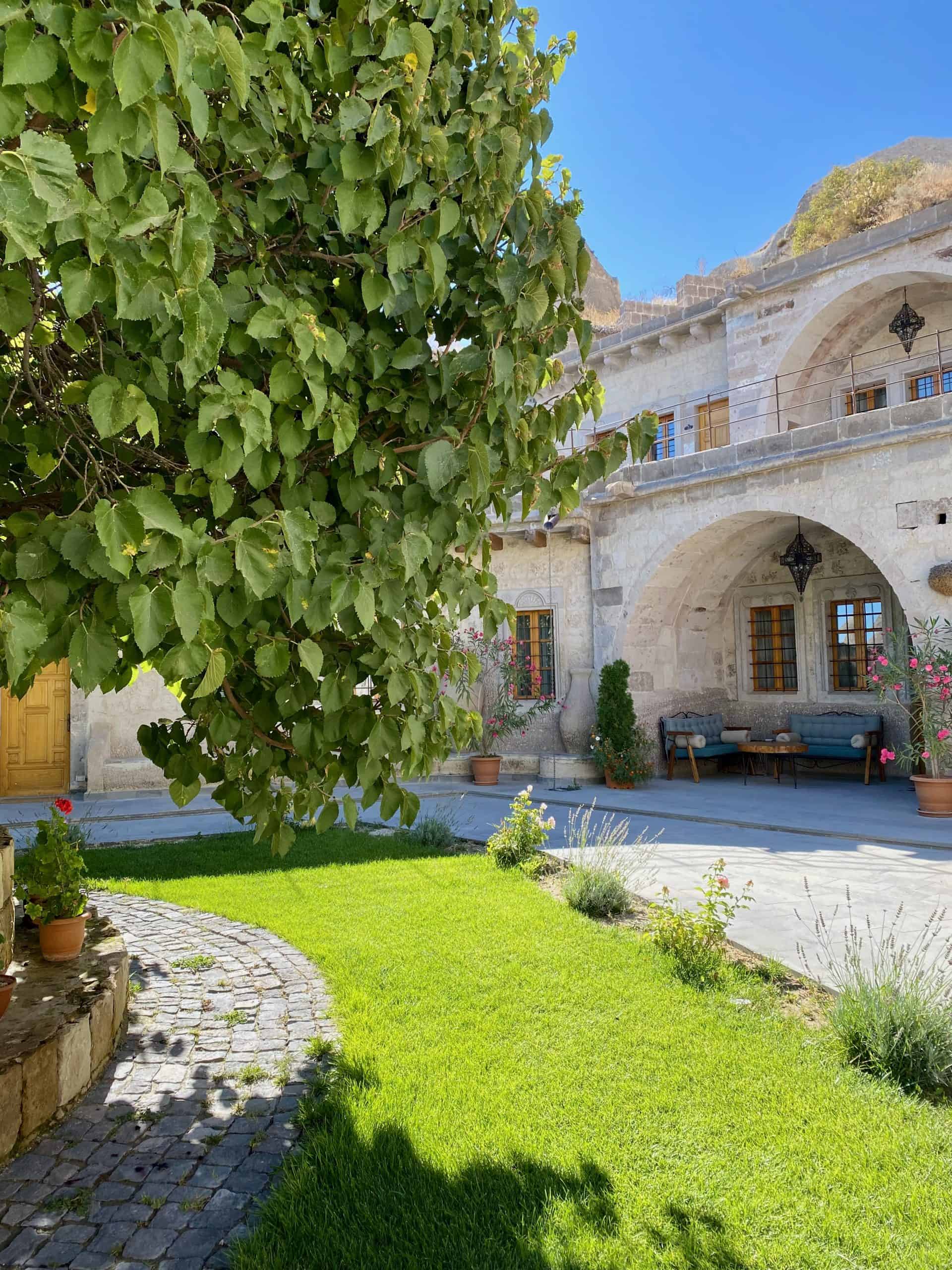
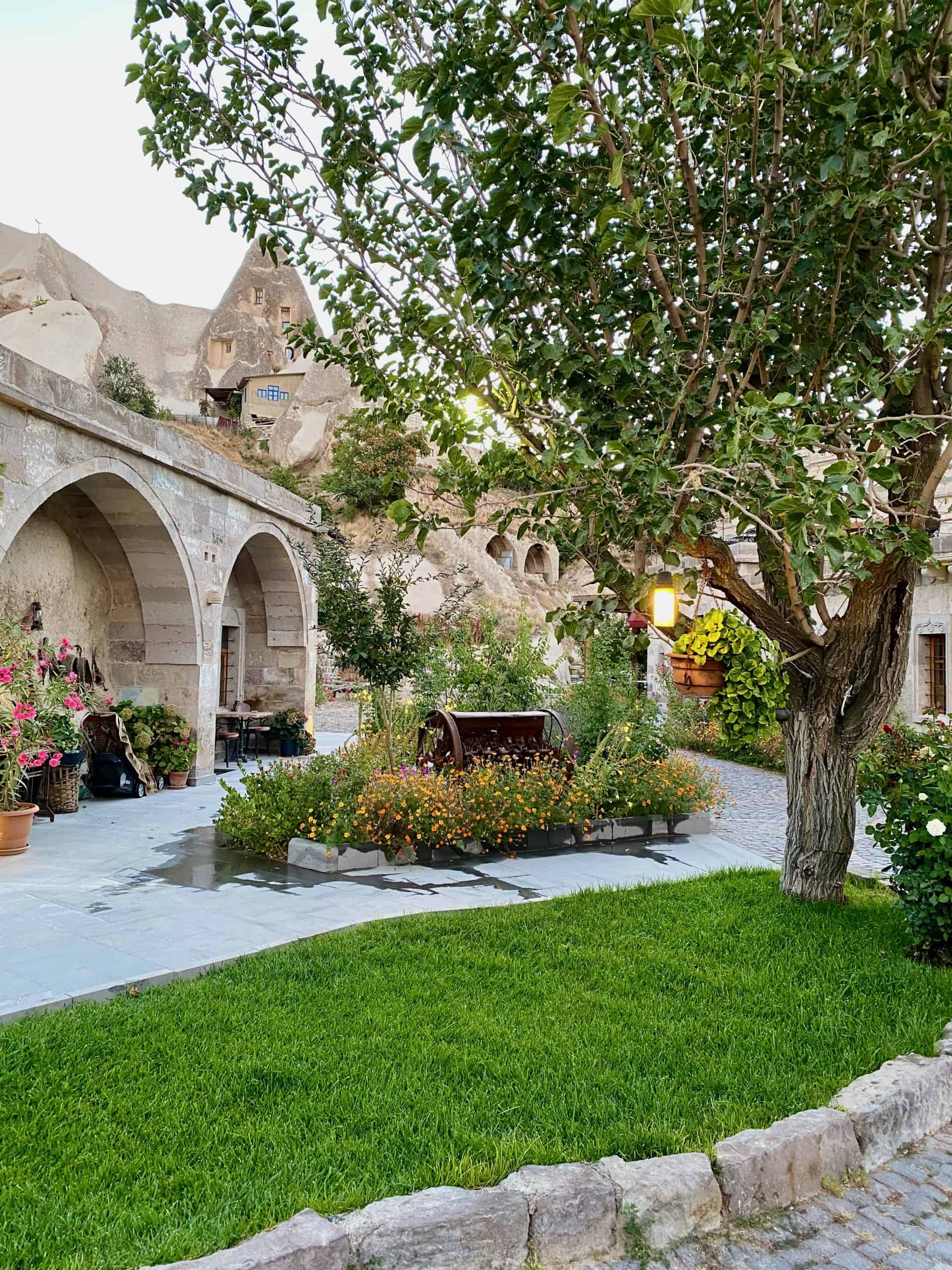
Göreme is the most common base, and a hotel positioned toward the upper end of the village offers particularly beautiful views of the hot air balloons drifting across the valley in the early morning.
Recommended: Lunar Cappadocia Hotel, located at the upper end of Göreme, offers one of the best and most beautiful views of the valley and is only a 10-minute walk from the center of town. The rooftop is a great place to watch the balloons flying above at sunrise. The rooms surround a lush garden, and the breakfast spread is top quality. I stayed there in both of my visits to the region and would stay there again!
7. The Hammam Experience
A hammam, or traditional Turkish bath, is a quintessential Turkish experience and particularly well-suited to the end of a few days of hiking and exploring the valleys.
Hammam services are available in Cappadocia, but one thing to note is that part of the hammam experience in Turkey is the bathhouse’s architecture. The cooling marble and domed ceilings are rather unique compared to hammam experiences in other countries.
Recommended: Kelebek Hammam Cappadocia is rated highly for its traditional architecture and overall guest experience.
8. Uçhisar Castle
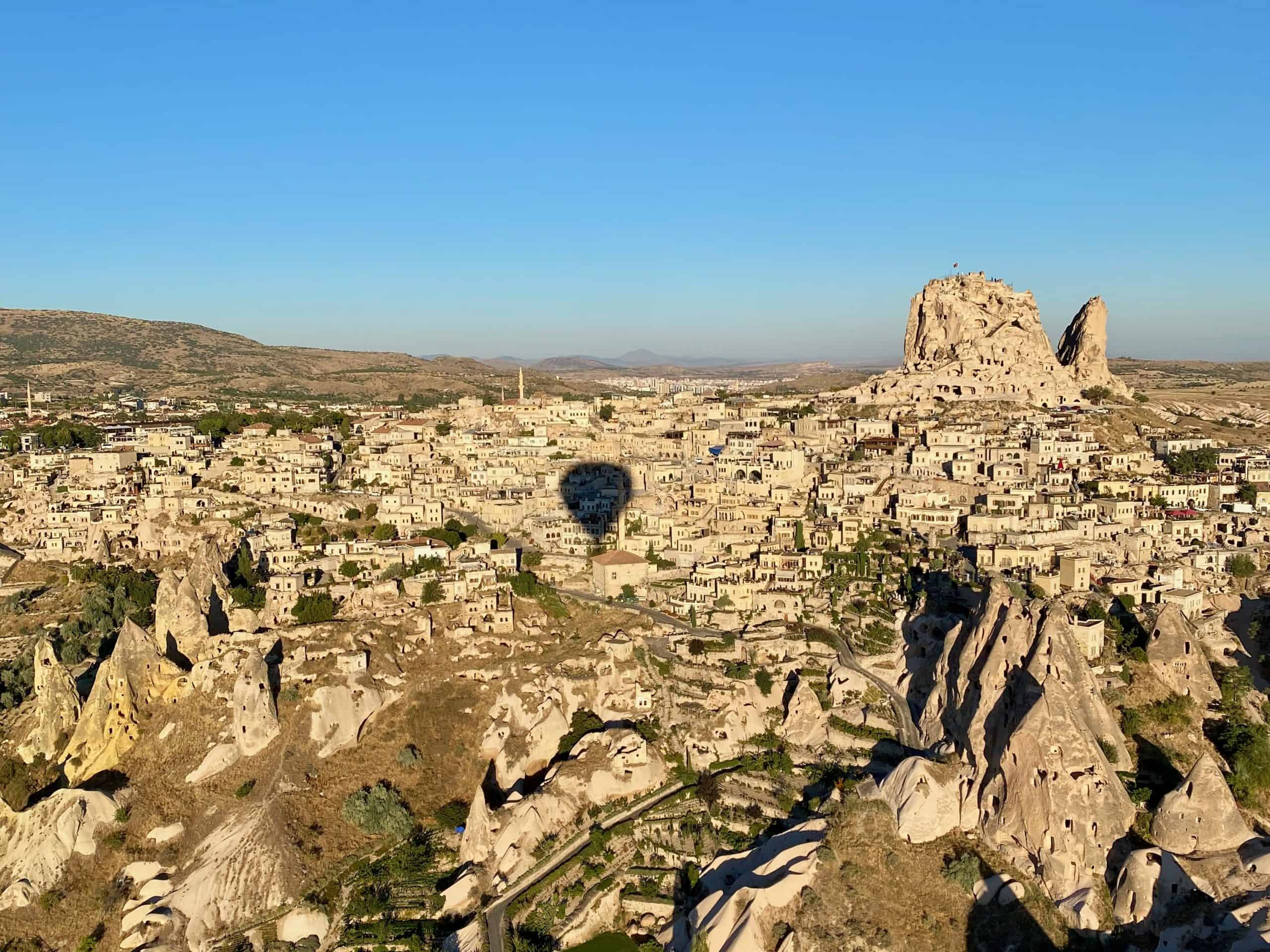
Uçhisar Castle is the highest point in Cappadocia, and the view from the top is phenomenal. On a clear day, you can see both Mount Erciyes and Mount Hasan on the horizon, as well as the full sweep of the valleys below.
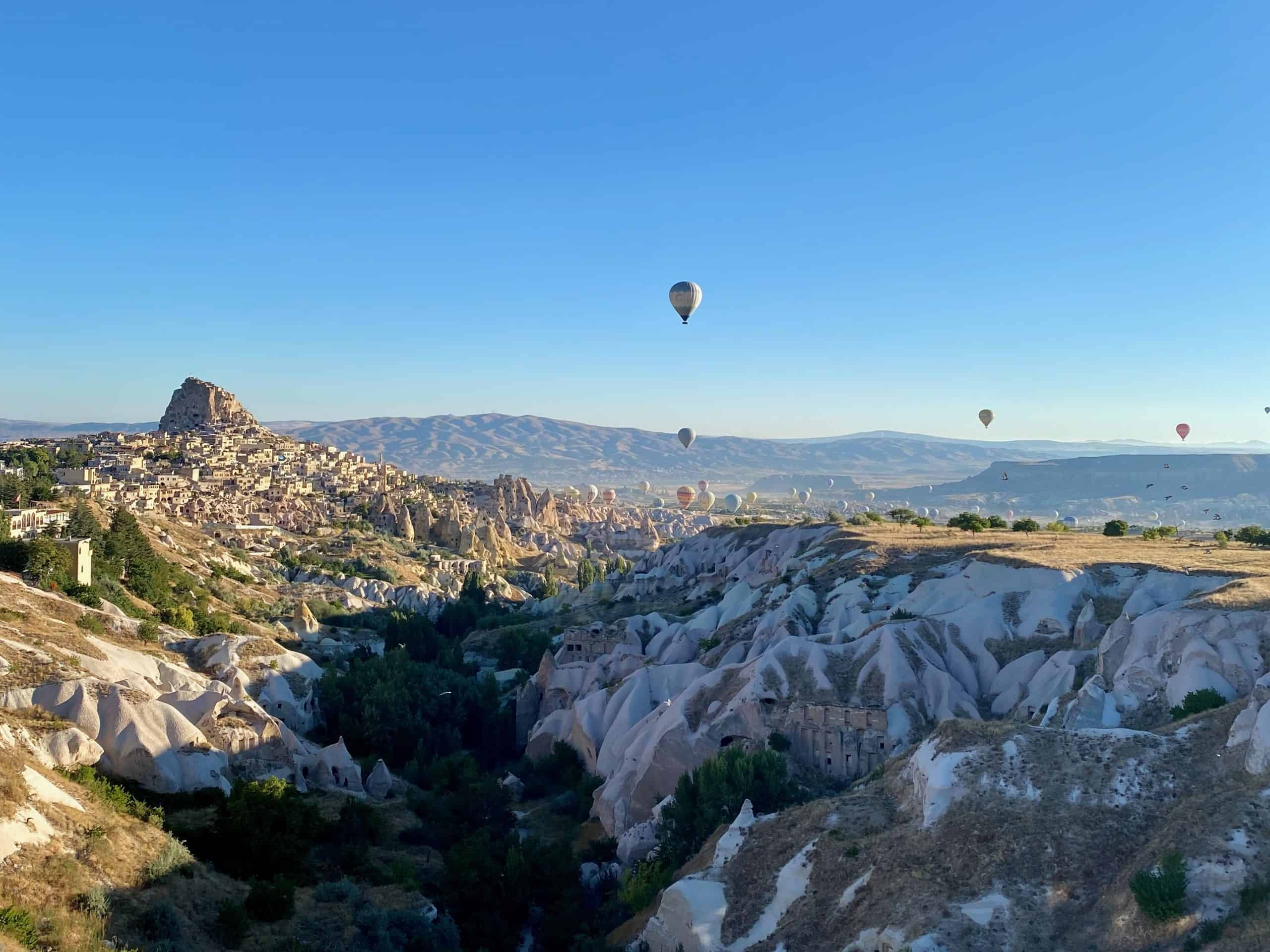
What makes castles in Cappadocia special is that they were not built from the ground up but rather carved into preexisting tall rock structures by the local population.
Uçhisar Castle served as a fortress for the region across many centuries and is said to have housed up to 1,000 people in its connected rooms and tunnels. Erosion has weathered some of the structure, but it is still possible to visit certain parts of the castle.
After visiting, strolling around the village of Uçhisar, and stopping for a late coffee or tea, is a pleasant way to wind down the afternoon. The castle is also a wonderful spot to watch the sunset over the valleys.
🔴 Included in the Red Tour!
9. Paşabağ and the Monks Valley
Paşabağ, also known as Monks Valley, is where you will find some of the most extraordinary fairy chimneys in all of Cappadocia. The valley is rumored to have served as a filming location for Star Wars scenes due to its otherworldly quality.
The valley takes its name from the monks who used to carve dwellings into the fairy chimneys, seeking refuge from persecution or choosing an ascetic life away from the world. The small carved openings are still visible in the rock today.
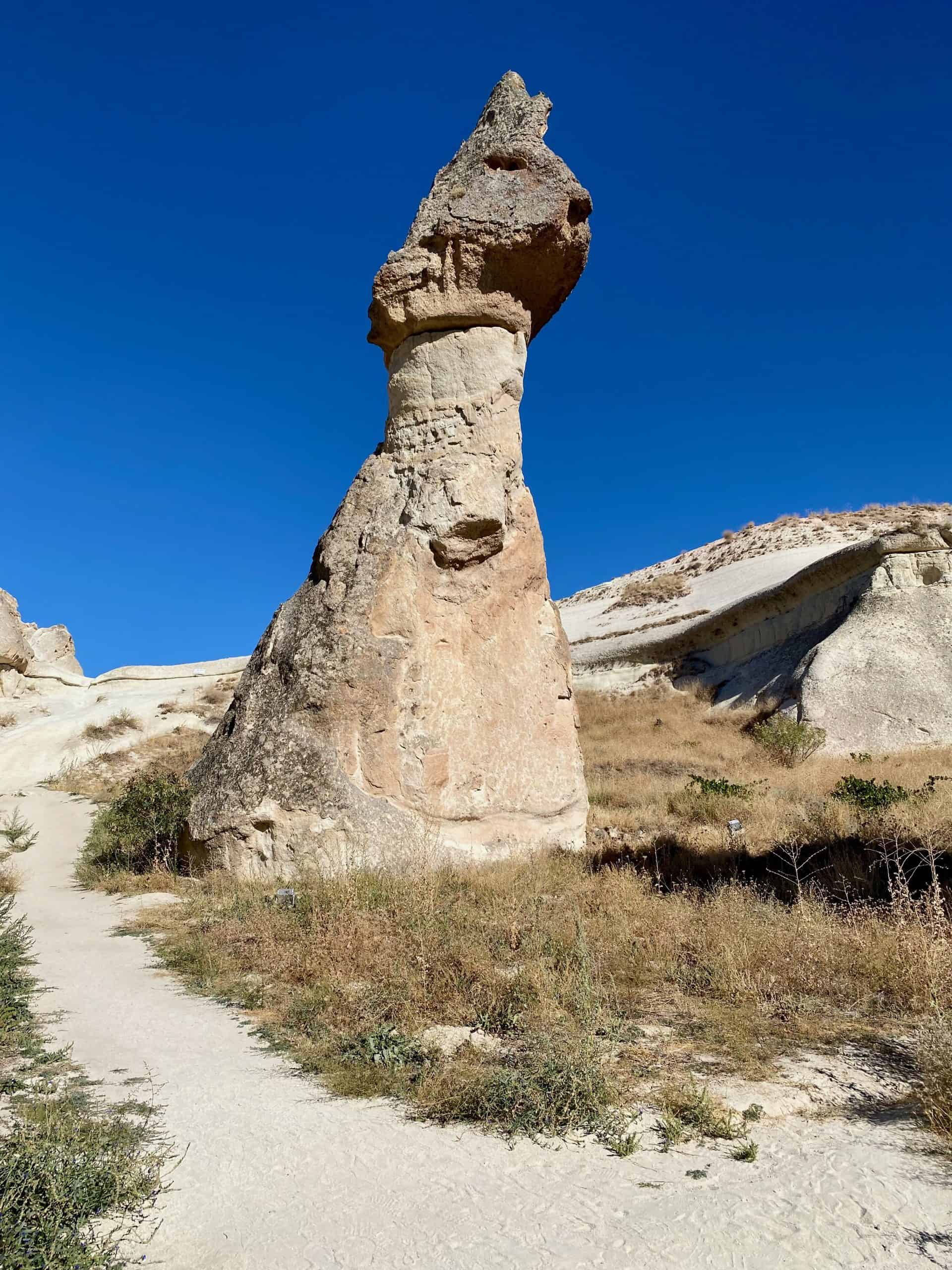
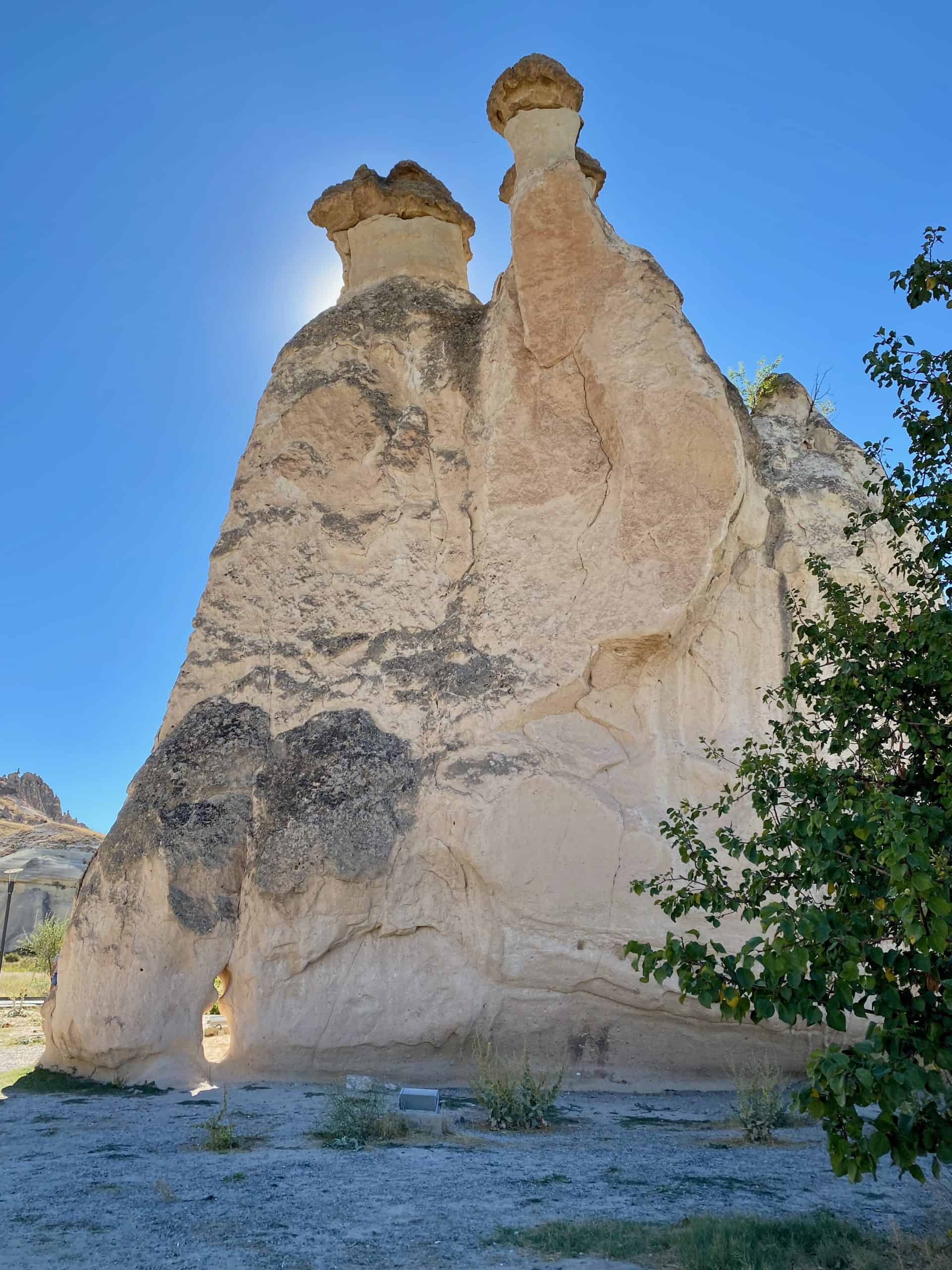
Paşabağ is located close to the small village of Çavuşin, which is worth a brief visit. The village is largely abandoned, but it gives a glimpse of what these settlements looked like before the towns became tourist destinations.
🔴 Included in the Red Tour!
10. Horseback Riding and ATV Tours at Sunset
Both horseback riding across the valley and ATV tours are popular ways to experience the Cappadocian landscape at sunset. These tours are typically kept to small groups of around ten people, which makes for a more personal and memorable experience.
Both are geared toward arriving at a viewpoint in time for the sunset, as the light across the fairy chimneys at that hour is particularly beautiful. It is an alternative to hiking for seeing the landscape, covering more ground.
These can usually be arranged through your hotel or a local tour agency. Booking ahead is recommended during busier periods.
11. Cappadocian Pottery
Avanos is a town in the Cappadocia region with a long and living tradition of pottery. The craft here is tied to the red clay found in the soil, and local potters have been working with it for centuries.
A pottery workshop is a wonderful way to spend an afternoon, particularly if you are spending a few days in the region. In these, you will learn about the traditions and have the opportunity to try your hand at the craft. There are different styles particular to the area, including Hittite-style wine jugs and tear jugs, both with their own stories and histories.
Recommended: Cappadocia: Authentic Pottery Workshop Experience run by mother and sons is highly rated. The workshop explores the craft and the traditions that are unique to the region.
12. Cappadocian Wine
It often comes as a surprise to visitors that Cappadocia has a long tradition of wine production. But Christians have been making wine in the region for centuries, and one of Turkey’s most prominent producers, Turasan, still produces there today.
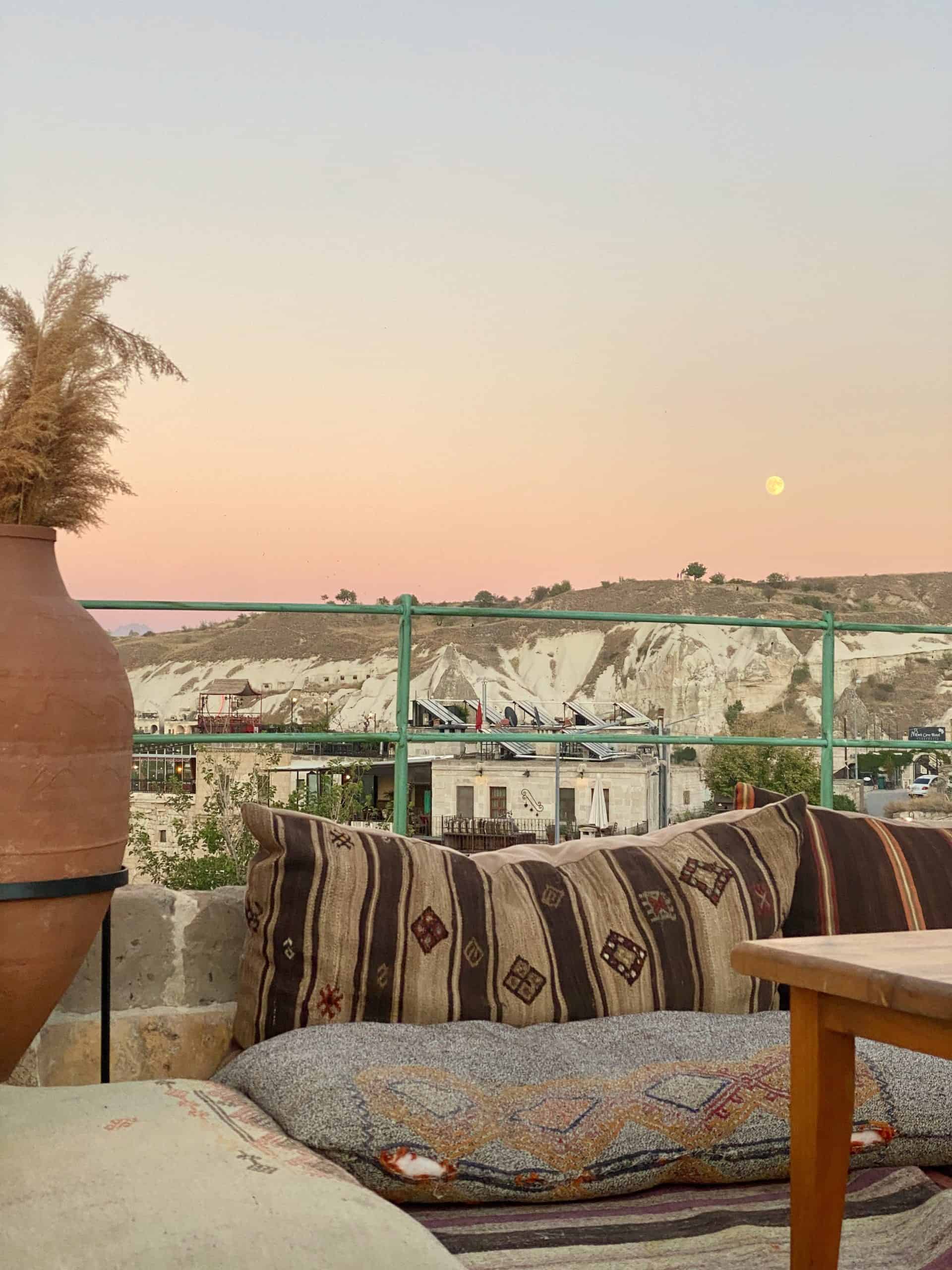
An evening glass of local wine on a rooftop terrace overlooking the valley and the fairy chimneys is part of the experience of the region’s flavors. Several of the region’s better restaurants offer local labels worth trying.
13. The Food Scene
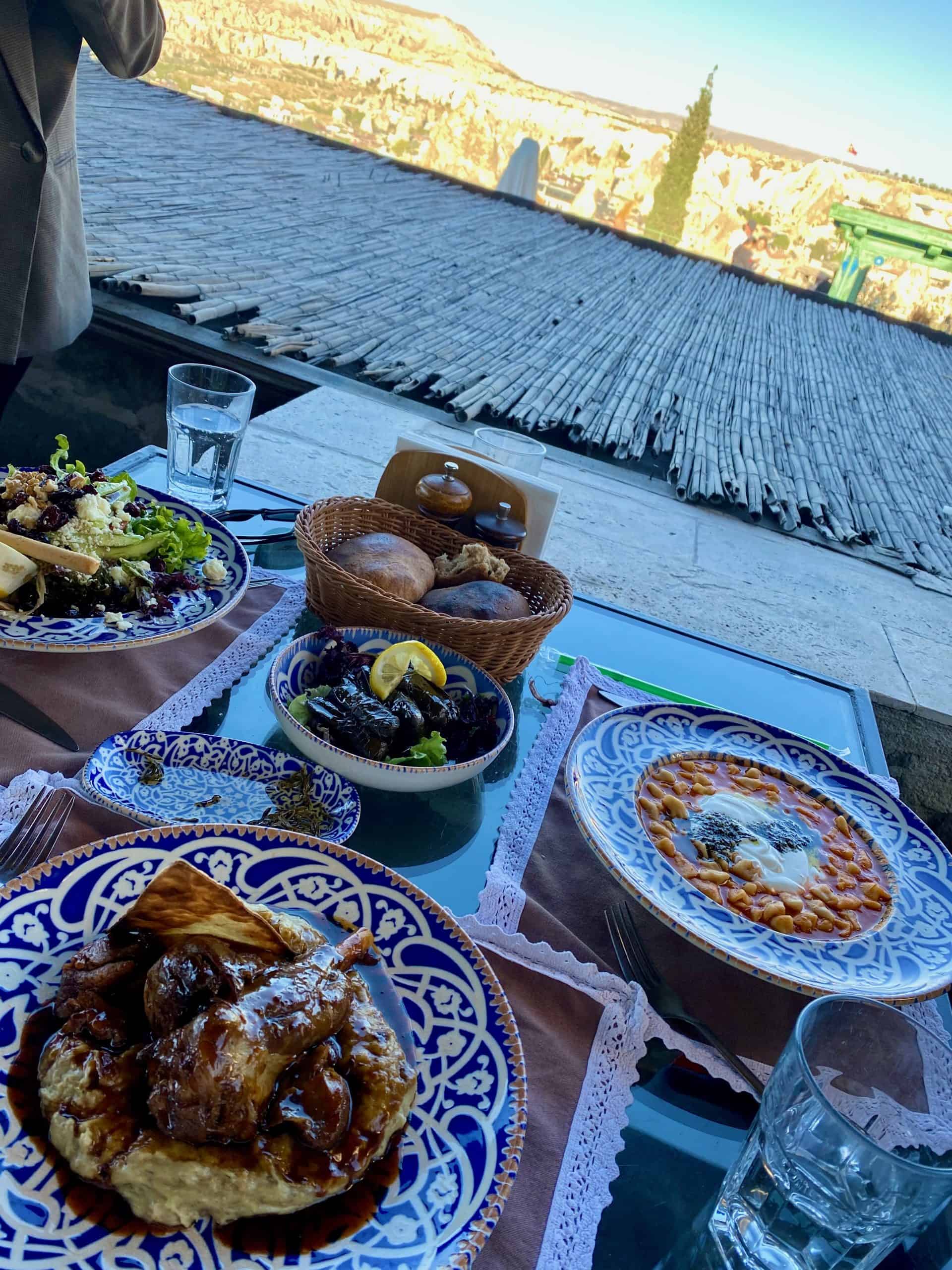
Cappadocia has a great food scene. Beyond the standard Turkish staples, the region has its own culinary traditions, including testi kebab, a meat dish prepared in a sealed clay pot that has to be broken open for serving. It is both a theatrical and delicious experience.
The region also has Michelin-recognized restaurants and even a Michelin-starred restaurant, making it a culinary destination.
Where to Eat in Cappadocia:
The restaurants below are drawn from visits to the region and cover options across the three main towns.
Lunch Recommendations:
Mozaik Restaurant (Göreme): A cozy spot in the center of town serving Turkish dishes and local specialties, including meze-style starters with outdoor seating.
Tık Tık Kadın Emeği (Ürgüp): A women’s cooperative serving wonderful home-cooked traditional dishes. The Michelin guide recommends the handmade manti with local cheese.
Shecooks Cappadocia (Uçhisar): A small family-style restaurant with panoramic views of Cappadocia. It is run by women serving traditional Turkish cuisine and offering tasting menus to experience local flavors.
Dinner Recommendations:
Seten (Göreme): located inside Sultan Cave Suites, known for its rooftop terrace overlooking the valley. It specializes in Anatolian cuisine and serves local wine. Please note that reservations are not taken, so it is best to arrive early.
Revithia (Ürgüp): The first Cappadocian restaurant to receive a Michelin star. It’s tasting menus pay tribute to the region’s Turkish, Greek, and Armenian culinary heritage, adding a modern twist. The terrace overlooks that vast landscape, offering breathtaking views.
Senza Restaurant (Uçhisar): Overlooking Uçhisar Castle, this traditional Turkish restaurant is known for lamb shank and testi kebab and featured in the Michelin Guide.
Practical Information
How to Get to Cappadocia
There are three main ways to reach Cappadocia: flying, taking a bus, or driving.
Flying is the recommended option for most travelers. From Istanbul, the nonstop flight is just over an hour and typically ranges from 50 to 100 euros when booked in advance. The overnight bus is a smart alternative that saves a hotel night, running approximately 9.5 to 12 hours from Istanbul.
For a full breakdown of options from Istanbul, Ankara, Antalya, and Izmir, see my dedicated guide.
Choosing the Base Between Göreme, Ürgüp, or Uçhisar
Göreme is the most central and accessible, with the widest range of accommodation across all budgets and walking distance to the Open Air Museum and the main valley trailheads. It is also the most touristic of the three.
Ürgüp has a more local feel, larger and more lived-in, with a good restaurant scene and a wine culture that makes for pleasant evenings, though a car or taxi is useful for getting to the main sites.
Uçhisar sits at the highest point in the region and offers some of the most spectacular views in all of Cappadocia, particularly of the balloons rising at sunrise. It is quieter and more village-like, with accommodation tending toward the higher end, but only a short drive from Göreme.
Getting Around Once You Arrive
The towns of Cappadocia are small and easy to navigate on foot. For the wider region, the most convenient option is joining one of the organized tours. The most popular being the Green Tour and the Red Tour, typically kept to small groups of around ten people, with transport and a guide included.
For getting between towns independently, dolşuşes (shared public minibuses) are affordable and reliable. Taxis are available too, but if heading to a more remote site, it is worth arranging a return with the same driver as finding one on the way back can be difficult. Renting a car is worth considering for a stay of four or five days.
The honest recommendation for most visitors, however, is to stick with the organized tours. They cover the main destinations, and having a guide who can explain the history and folklore of each site adds greatly to the experience.
How Many Days Do You Need?
Two to three days is the sweet spot for most visitors. In that time, you can comfortably cover the main highlights of the region.
Days four and five are for those who want to go deeper, exploring smaller villages, doing more hikes, or taking things at a slower and more immersive pace.
Best Time of Year to Visit
Spring and autumn are the best times to visit Cappadocia. The ideal months are April through early June and September through early November, when temperatures are comfortable for hiking and the region feels at its best.
Summer can be extremely hot during the day, making outdoor exploration less enjoyable. Winter is very cold, and while the fairy chimneys dusted in snow are undeniably beautiful, some activities are harder to enjoy fully.
Regardless of the season, mornings in Cappadocia are always cold, even in spring and autumn. The early hours before sunrise are quite chilly, and the balloon ride takes place at an elevation in an open basket.
What to Pack for Cappadocia
The most important thing to pack is layers. On a first visit, a wool shawl had to be purchased the night before the balloon ride after realizing just how cold it was going to be at that hour. The second time around, warm layers were packed specifically for the mornings and evenings.
During the day, temperatures can warm up considerably, so lighter layers you can shed as the day goes on are equally useful. You will likely experience a significant range of temperatures within a single day.
Additional FAQs
Do the hot air balloons fly every day in Cappadocia?
For the most part, yes. Hot air balloons fly over Cappadocia on most mornings, weather permitting.
When conditions are not suitable, you will typically be notified the evening before, and the company will do its best to reschedule you for the following day. This is why it is worth booking your balloon for the first available morning of your stay rather than the last.
Is Cappadocia worth visiting without a hot-air balloon ride?
Absolutely. The balloon ride is the iconic experience, but it is far from the only reason to visit. The underground cities, the valley hikes, the rock-cut churches, the cave hotels, and the food scene are all compelling in their own right.
And if the balloon is not in the budget, waking up early to watch them from your hotel terrace is a beautiful alternative.
Do You Need Cash in Cappadocia?
Yes, and importantly, you will want to have euros or USD rather than relying solely on Turkish lira.
The tourism industry in Cappadocia prices many of its services in euros, including the hot air balloon ride and many of the tours, because of the economic situation in Turkey and the effect of inflation on the lira.
ATMs exist in the towns but are limited and can run out of cash, so it is best to come prepared.
Is Cappadocia safe to visit?
Yes, Cappadocia is very safe. It is also a highly touristic region, which means there is extensive infrastructure in place to accommodate visitors.
As with anywhere, exercise normal precautions, but there is nothing specific to Cappadocia that should give cause for concern.
How does Cappadocia compare to other destinations in Turkey?
Cappadocia is different for two reasons: the landscapes and tourism.
Compared to other parts of Turkey, Cappadocia feels evidently more touristic and perhaps understandably so, given that historically the region was made up of very small villages. The discovery of otherworldly landscapes led to a significant surge in tourism, similar to what has happened in places like the Atacama Desert in Chile or Machu Picchu in Peru.
Other areas of Turkey, like the Aegean Coast or even Istanbul, while touristy, still offer very authentic experiences since they are primarily home to locals.
Final Thoughts
Cappadocia is worth it, without question. It is a beautiful region with a rich and layered history and unique landscapes. If you are going to be in Turkey and considering adding Cappadocia to the itinerary, it is easy to combine a few days in Istanbul with a few days here, and it makes for a very full and rewarding trip.
The hot air balloons at sunrise are what most people come for, but the valley hikes, the local wine, and the quieter corners of the region have a way of becoming the parts you remember most.
For a full day-by-day itinerary to help plan your stay, have a look at my guide, Ideal Cappadocia Itinerary in 2, 3, 4, or 5 Days.